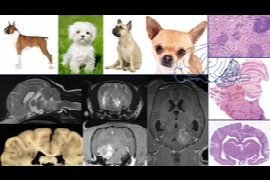
Sterile inflammatory conditions of the central nervous system (CNS) of domestic carnivores are of utmost importance for the veterinary neurologist. There are indeed not uncommon conditions of the CNS of dogs mainly, they rarely affect cats on the other hand. They are overrepresented by a group CNS conditions grouped under the term meningo-encephalitides of unknown origin (MUO) and the well-known steroid-responsive meningitis arteritis. A little knowledge is necessary to appreciate that these conditions have specific epidemiological features with the MUOs affecting adult small breed dogs mainly, when the SRMA is mostly a disease of young large breed dogs. Despite these very distinguished characteristics, definitive diagnosis requires a systematic and rigorous approach. Mostly because, ultimately, these conditions call for immunomodulatory if not immunosuppressive treatments which carry significant side effects and can put the patient at risk. All the above make the overall management of these conditions complex, especially if one wants to give their patient a chance of a cure; which, contrary to belief, is very achievable.
Recording from 28.02.2019
Speaker:
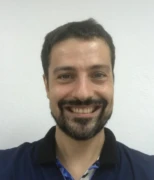
Matthias Le Chevoir
DVM, Dip ECVN
He has been working as a lecturer in neurology and neurosurgery at the University of Melbourne since then. He is providing lectures to the students as well clinical supervision for the residents. He also directly consults at U-Vet.
His field of interest are neuro muscular disease ; canine idiopathic polyradiculoneuritis (Coonhound paralysis) specifically. He also has strong interest in idiopathic epilepsy and non-infectious inflammatory disease of the central nervous system in dogs (meningo-encephalitis of unknown origin, granulomatous meningo-encephalitis and necrotising meningo-encephalitis) and optimising the treatment and follow-up of such conditions.
He has research programs on idiopathic polyradiculoneuritis in dogs, implantable EEG devices, meningoencephalitis of unknown origin and brain tumours of dogs and future perspectives in this field. He has been involved in new devices for the control of seizures in dogs with idiopathic epilepsy.
He has given talks in France, Great Britain, China and Australia and regularly publishes in the field of veterinary neurology.