Whether you are a veterinarian or a human physician, the neurological examination is the corner stone of the neurology consultation. It has been the case since the work of Pr Charcot who is called the father of modern neurology.
The concept behind it is that accurate neuroanatomical knowledge allows to interpret the clinical findings which ultimately translate into a neurolocalisation. Accurate neurolocalisation does at least half of the work of the neurologists. It allows appropriate choice of tests and almost always significantly narrows down the list of differential diagnoses.
The neurological examination implies good understanding of the basic functional neuroanatomy, method and some experience.
Recording from 12 February 2020
Speaker:
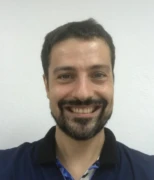
Matthias Le Chevoir
DVM, Dip ECVN
He has been working as a lecturer in neurology and neurosurgery at the University of Melbourne since then. He is providing lectures to the students as well clinical supervision for the residents. He also directly consults at U-Vet.
His field of interest are neuro muscular disease ; canine idiopathic polyradiculoneuritis (Coonhound paralysis) specifically. He also has strong interest in idiopathic epilepsy and non-infectious inflammatory disease of the central nervous system in dogs (meningo-encephalitis of unknown origin, granulomatous meningo-encephalitis and necrotising meningo-encephalitis) and optimising the treatment and follow-up of such conditions.
He has research programs on idiopathic polyradiculoneuritis in dogs, implantable EEG devices, meningoencephalitis of unknown origin and brain tumours of dogs and future perspectives in this field. He has been involved in new devices for the control of seizures in dogs with idiopathic epilepsy.
He has given talks in France, Great Britain, China and Australia and regularly publishes in the field of veterinary neurology.