Webinars All webinars

The steps required to perform a thorough dental clean (for veterinary nurses)

The steps required to perform a thorough dental clean (for veterinary nurses)

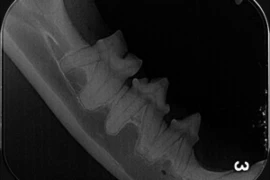
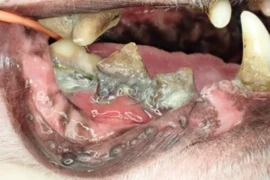
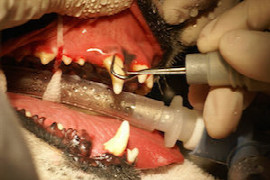
The dental prophylaxis is a very important component in the management of periodontal disease in companion animals. Certificate IV veterinary nurses have been trained to perform a dental clean. This seminar will discuss the steps involved in performing a thorough dental clean, including the recording of all findings on a dental chart, the importance of oral radiography for detecting pathology, the cleaning of the teeth surfaces, both above and below the gum line and finally, but most importantly, the homecare advice required to prevent or slow down plaque reforming on the teeth.

Language: English

In case you have missed this webinar, you have the opportunity to watch a recorded version here.

This webinar qualifies for one (1) hour of continuing education.

Speaker:

Tony-Caifa.jpg

Anthony Caiafa

Adjunct Professor Anthony Caiafa BVSc BDSc MANZCVS
Dr Caiafa is both a registered veterinarian and human dentist and currently works in both fields on the Sunshine Coast. He is an Associate Professor in Veterinary Dentistry at the University of Melbourne and a guest lecturer in Veterinary Dentistry at James Cook University, Townsville. Dr Caiafa has over 20 years experience in the field of Veterinary Dentistry and has lectured around the world in this discipline. Tony will happily accept referrals related to small animal oral diseases including jaw fracture repair and the management of oral growths.

Booking information

Duration: 0:50 h
Speaker: Anthony Caiafa
from 1
54.90 US$
(incl. tax)

You might also be interested in

making-the-most-of-dental-nurse-clinics-for-nurses-1.jpeg
Lisa Milella
0:48 h

Making the most of dental nurse clinics (for nurses)

Many pets seen in every day veterinary practice have dental disease requiring treatment. Most owners are unaware that their pet has a problem, so often dental problems go undiagnosed. The role of the veterinary nurse is vital in educating clients to recognize disease but also help institute and maintain oral hygiene programs. Early intervention is the key to a pain free and infection free mouth. The owner must understand that homecare is the most essential component on both preventing and treating periodontal disease. It also gives the owner an opportunity to check their pets’ teeth daily to ensure that pathology such as fractured teeth do not go un-noticed. The responsibility of maintaining oral hygiene i.e. keeping plaque accumulation to a level compatible with periodontal health rests with the owner of the pet. Home care compliance is often lost through poor follow up by the veterinary practice. This is where the veterinary nurse can play an important role by encouraging recheck visits, ongoing support and encourage, and guidance on how and what to do. All nurse clinics give you the opportunity to examine the mouth and check the teeth, but it is also important to set up structured dental nurse clinics.
Image 17.09 300x200 (1) (1).jpg
Kayoko Kuroda
0:59 h

All about Dental Radiology for Vet Nurses

Do you have trouble taking good diagnostic dental X-ray images? A good understanding of dental radiology is an essential skill for veterinary nurses and technicians today. 
Image 15.10 300x200 (1).jpg
Kayoko Kuroda
1:08 h

Step-by-Step - How to Perform Professional Periodontal Therapy for Nurses

This webinar will discuss what is involved in periodontal therapy, including instruments and equipment used, as well as homecare advice for maintaining periodontal health.