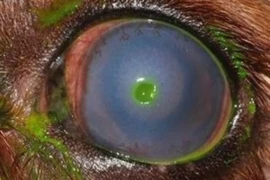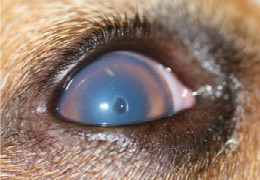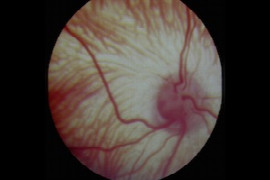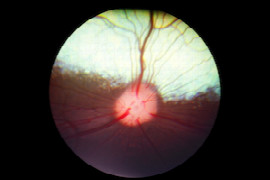
This webinar will teach you the fundamentals of the fundus in terms of undertanding the ranges of normals that are commonly encountered. By the end of this webinar you will be itching to pick-up your ophthalmoscope and examine the next case you see!
Language: English
In case you have missed this webinar, you have the opportunity to watch a recorded version here.
Speaker:
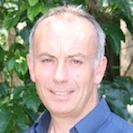
Guy Clare
DVM, MA, BVSc, CertVOphthal
Dr Guy Clare graduated in December 1994 from the University of Liverpool. Following graduation he moved straight into small animal practice. 5 years later, together with his wife, they bought a first opinion practice in Bolton. He pursued an interest in ophthalmology gaining the RCVS Certificate in 2004. He ran a private referral practice in the UK and was the visiting ophthalmologist to Liverpool University where he had responsibility for teaching ophthalmology to clinical undergraduates. He has been in Australia since January 2009, working solely in small animal ophthalmology out of North Coast Veterinary Specialists, Queensland. Guy has delivered talks throughout his State and the UK and strives to bring a novel, memory-stimulating and informative approach to what is the most fascinating of veterinary disciplines.
A self-confessed perfectionist-obsessive his poor wife and children indulge and take part in his passion for sport, where he holds coaching qualifications in: rugby union, triathlon, weight lifting, horse riding and surf lifesaving. With respect to the latter Guy has been learning to ride a racing mal knee board (Bondi Rescue style). This he says has been a very sobering experience, but on the positive he won’t need to see an ENT specialist to have his sinuses flushed, as this regularly happens each time he goes out in the surf! If at first you don’t succeed…
A self-confessed perfectionist-obsessive his poor wife and children indulge and take part in his passion for sport, where he holds coaching qualifications in: rugby union, triathlon, weight lifting, horse riding and surf lifesaving. With respect to the latter Guy has been learning to ride a racing mal knee board (Bondi Rescue style). This he says has been a very sobering experience, but on the positive he won’t need to see an ENT specialist to have his sinuses flushed, as this regularly happens each time he goes out in the surf! If at first you don’t succeed…
Booking information
Duration:
0:36 h
Speaker:
Guy Clare
from 1
57.60 US$
(inkl. tax)