Webinars All webinars

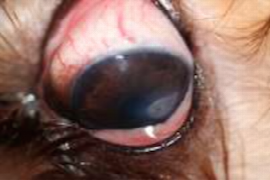
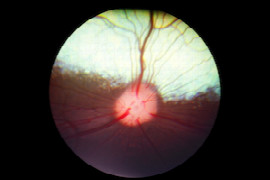
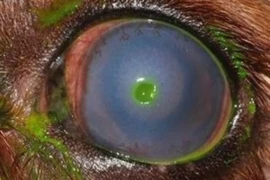
Uveitis - It's a Clinical Sign, Not A Diagnosis

Uveitis - It's a Clinical Sign, Not A Diagnosis

Think of uveitis as an ocular lymphadenopathy! What caused the inflammation? 

Often, anterior and/or posterior uveitis is simply a manifestation of a systemic disease. It may also be secondary to cataract (in dogs), neoplasia (in elderly patients) and corneal disease. Though many cases may be idiopathic, a diagnosis of uveitis mandates a thorough investigation to uncover the primary cause. Prompt treatment is required, as complications resulting from uveitis may lead to blindness. However, treatment without proper diagnosis will usually result only in temporary relief, and may very well endanger the patient’s life as a potentially grave systemic condition is not diagnosed.

Recording from 22 September 2022

Speaker:

Ron Image.jpg

Professor Ron Ofri

DVM, PhD, DEVCO

Ron Ofri was a member of the charter class of the Koret School of Veterinary Medicine, Hebrew University of Jerusalem, Israel. Upon his graduation, he traveled to the University of Florida, where he trained in veterinary ophthalmology and obtained his Ph.D. He then returned to Israel and joined his alma mater, where he is currently a Professor of Veterinary Ophthalmology, winner of numerous Teacher of the Year awards, and author of more than 100 refereed papers. Ron is also a very popular international speaker, having been invited to talk in more than 40 countries, in continuing education seminars, national meetings, and world congresses for general practitioners, including BSAVA, WSAVA, WVC, and NAVC, as well as advanced courses in his research fields of retinal electrophysiology and visual optics. Ron is a contributing author to the Gelatt's classic textbook Veterinary Ophthalmology (3rd, 4th, 5th, and 6th editions) as well as a co-author of the popular textbook Slatter's Fundamentals of Veterinary Ophthalmology (4th, 5th, and 6th editions). Ron is a Diplomate of the European College of Veterinary Ophthalmology (ECVO), a former ECVO Executive Board member and in 2002-2005 he served as President of the European Society of Veterinary Ophthalmology 

Booking information

Duration: 0:56 h
Speaker: Professor Ron Ofri
from 1
54.90 US$
(incl. tax)
You might also be interested in

this-dog-has-glaucoma-what-do-i-need-to-know-and-do-1.jpeg
Sally Turner
0:58 h

This dog has glaucoma – what do I need to know and do?

In this webinar we will discuss canine glaucoma – discovering that it is not a simple disease but a complex problem with many potential causes which will have an impact on our approach to treatment. So, we will look at examples of acute and chronic glaucoma in the dog and reflect on the primary and secondary aetiologies before considering how best to approach management. An understanding of the mechanisms for the production, flow and drainage of aqueous from the eye is necessary to fully appreciate these different types of glaucoma. Illustrations of the different clinical presentations will be included together with mention of the breed predispositions to glaucoma which we encounter. We will concentrate on medical management and how to assess response to treatment but will briefly mention the surgical options available. By the end of the webinar you should be more confident in diagnosing the condition and understand what you need to do for the patient.
-35.png
Sally Turner
1:03 h

Ocular emergencies

In this webinar we will discuss the commonly presented emergencies such as ocular injuries, lens lunation, glaucoma, sudden onset blindness and proptosis. Sally will lead you through these and other issues, so that by the end of the lecture you will be confident in knowing how to manage the most frequently encountered ocular emergencies.
understanding-the-canine-fundus-is-it-really-just-myths-and-legends-part-1-basics.jpeg
Guy Clare
0:36 h

Understanding the Canine Fundus - is it really just Myths and Legends? - Part 1 'basics'

This webinar will teach you the fundamentals of the fundus in terms of undertanding the ranges of normals that are commonly encountered. By the end of this webinar you will be itching to pick-up your ophthalmoscope and examine the next case you see!