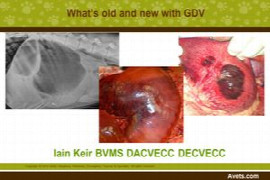
This webinar will provide the audience with a comprehensive review of dogs that present with a GDV. The webinar will cover common and uncommon patient presentations, new strategies for patient resuscitation including the effects of crystalloids and colloids, monitoring fluid responsiveness, avoiding fluid overload, and when to intervene with vasoactive drugs. The use of biomarkers to guide therapy and improve prognostication will be discussed. Following stabilization safe anesthetic strategies will be presented to help minimize anesthetic complications. Then we will discuss surgical aspects including assessing gastric viability, when to perform splenectomy and post-operative patient care. In addition common complications will be discussed including how to prevent these complications from occurring and how to treat these complications effectively.
Recording from 22.05.2019
Speaker:
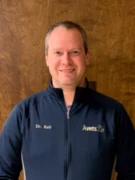
Iain Keir
BVMS, Diplomate ACVECC
I graduated from the University of Glasgow, School of Veterinary Medicine in 2004 and subsequently complete a small animal internship at the Royal Veterinary College, London. After a couple of years in Emergency Practice, I completed an ECC Internship at Tuft University, Boston before returning to the Royal Veterinary College, London for an ECC residency from 2008-2011. I am board certified by both the American College of Veterinary Emergency and Critical Care and European College of Veterinary Emergency and Critical Care.
My research areas include the use of high flow nasal oxygen therapy and we have published the first series of articles documenting the use of this therapy in veterinary patients; in addition we are exploring methods of improving the use of low flow oxygen systems. My other areas of expertise is in organ dysfunction in sepsis and the role antibiotics play in limiting organ dysfunction and improving outcomes in patients with sepsis.
In August 2019, I will be moving to Sydney, Australia to serve as Head of Critical Care Medicine, at Small Animal Specialty Hospital (SASH).