In this session, we will explore the pathophysiology of common gastrointestinal disorders in dogs and cats and demonstrate how targeted nutritional strategies can influence gut function, immune response, and overall physiological wellbeing.
Participants will gain insights into recognizing key gastrointestinal disorders, understanding their nutritional and physiological impacts, and developing tailored dietary strategies that support recovery, immune function, and general wellbeing
This session emphasizes practical application, empowering veterinary nurses to integrate advanced nutritional principles into holistic patient management. Attendees will leave with actionable tools to optimize patient outcomes, strengthen recovery, and enhance the role of veterinary nurses in the management of gastrointestinal disease.
Recorded 26 August 2026
Speaker:
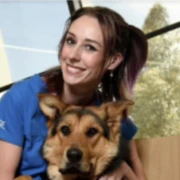
Kim Healy
RVN, AVN, FFCP(Veterinary), CertVN ECC, VTS( Nutrition)
Kim is a highly experienced veterinary nurse, educator, and international speaker with over a decade of clinical practice. She is a registered and accredited veterinary nurse with the Veterinary Nurses Council of Australia (VNCA) and is Fear Free Certified.
In 2021, Kim achieved her Veterinary Technician Specialty (VTS) credential in Nutrition, becoming the second VTS (Nutrition) in the Southern Hemisphere. She is a regular and highly requested keynote and conference presenter across a range of continuing education platforms. Kim has developed her own educational nutrition courses, reflecting her commitment to advancing patient outcomes and empowering veterinary nurses through accessible, clinically relevant education.
In 2025, Kim completed her Certificate of Veterinary Nursing in Emergency and Critical Care with distinction. Her clinical experience spans a diverse range of disciplines, including Emergency and Critical Care, Reproduction, Canine Sports Medicine, Rehabilitation, Advanced Dentistry, and Internal Medicine
Kim currently serves as a lecturer in the Bachelor of Veterinary Nursing program at Melbourne Polytechnic while continuing to practise clinically as an Emergency and Critical Care nurse at Greencross Veterinary Hospital at the University of Melbourne. Alongside her professional roles, she is in the final year of a Bachelor of Veterinary Technology and is a 2027 candidate for her second Veterinary Technician Specialty in Emergency and Critical Care.
Kim is passionate about shaping the future of veterinary nursing through education, mentorship, and the elevation of nursing voices within the global veterinary profession.