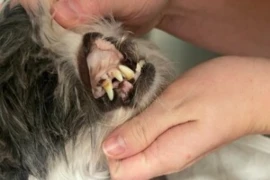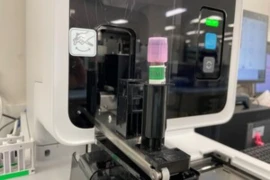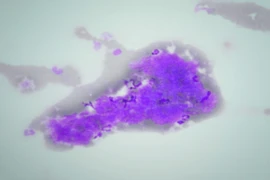
As veterinary nurses we run blood samples on a daily basis and the results generated have a direct impact on our patient's outcome. However, how do you know these results are real? Could you spot a real result from random error? Are the numbers generated by your haematology analyser a genuine reflection of the patient's status or is the analyser miscounting cells?
The webinar is aimed at veterinary nurses who run samples at the practice laboratory and those who have an interest in the practice laboratory. It will also benefit student nurses who are looking to learn more around the subject.
Learning outcomes:
1. Know how standard biochemistry and haematology analysers work.
2. Understand how sample handling is key to accurate results
3. Understand the common artefactual changes see in blood results.
4. Understand common problems with haematology results are how to overcome them.
This will be a fun and informative webinar, championing us all to put a little faith in our analysers
Recorded 25 June 2025
Speaker:

Matthew Garland
BSc, RSciTech, SAC DIP, Cert Nat Sci, VN, MRSB
Matthew Garland is a Laboratory director and veterinary laboratory manager with over 20 years’ experience in the veterinary field.
Matthew is passionate about all things laboratory and has a keen interest in QA/QC and haematology. Matthew has also contributed to several published research projects. Holding a degree in chemistry and molecular biology he is a qualified Veterinary Nurse, a registered Science technician with the Royal society of biology (RSB) and holds various post graduate certificates.
Currently working for VPG (The veterinary Pathology group) he also enjoys his time as a lecturer teaching student veterinary nurses the laboratory skill. Matthew also delivers regular CPD and has also been lucky to present at all the major UK congresses (BSAVA, BVNA and LVS) as well as having several articles published on veterinary haematology and clinical biochemistry.
Being passionate about team development and the development of others Matthew sits on the registers assessors board of the RSB and is also a judge for the RSB biology apprentice of the year.
Booking information
Partner