Webinare & E-Learning Kurse All webinars

Coagulation disorders in small animals

Coagulation disorders in small animals

Puhuja:

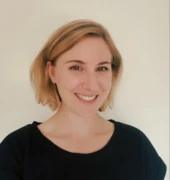
Rebekah_Liffman_photo_for_webinar__002_.jpg

Rebekah Liffman

DVM

Rebekah was born and raised in Melbourne, and apart from a one year stint as an amateur backpacker, has not strayed far. She graduated from the University of Melbourne in 2011, and spent three years working in general practice in the inner suburbs, and one year working as an emergency and critical care veterinarian in a veterinary referral hospital. Her passion for the microscope redirected her to pathology, and she completed a Veterinary Clinical Pathology Residency at the University of Melbourne. She currently works as a clinical pathologist at ASAP labs in Melbourne. She is the proud mother of a sassy little Jack Russell Terrier called ‘Momo’.

Booking information

Kesto: 0:43 h
Puhuja: Rebekah Liffman
sivulta 1
57,60 USD
(sis. alv)
Voisit myös olla kiinnostunut

E_25_10_01_Neurology in first opinion practice- what to do when you can't refer_300x200.png
Alexander Forward
0:55 h

Neurology in first opinion practice: what to do when you can't refer

A case based video tour provided by Alexander Forward looking at some common neurological cases you might encounter in practice and how best to deal with them.
E_26_05_06_An Update on Chronic Kidney Disease in Small Animals- What’s New and What’s Next_300x200.png
Jack Lawson
1:07 h

An Update on Chronic Kidney Disease in Small Animals: What’s New and What’s Next

Insights into new and emerging diagnostics and therapeutics for chronic kidney disease in cats and dogs with Dr. Jack Lawson. 
E_26_07_07_Tiny paws, big decisions_anaesthesia of the C-section_300x200.png
Niamh Clancy
1:00 h

Tiny paws, big decisions: anaesthesia of the C-section

Anaesthesia for caesarean sections presents unique challenges, requiring clinicians to balance the safety of both dam and neonates. This webinar explores practical anaesthetic and analgesic strategies to optimise outcomes before, during, and after surgery.