Puhuja:
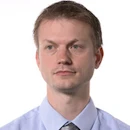
Mark Lowrie
MA, VetMB, MVM, DipECVN, MRCVS
Mark qualified from Cambridge University in 2004 and worked for a short period in small animal practice in Bedfordshire. He completed a junior clinical training scholarship at the Royal Veterinary College in 2006 and subsequently moved to Glasgow University where he was appointed as a senior clinical training scholar in Veterinary Neurology.
In 2009 Mark was awarded the Diploma of the European College of Veterinary Neurology and following this he joined Davies Veterinary Specialists in October 2009. His interests include inflammatory brain disease with particular emphasis on steroid responsive meningitis-arteritis in dogs and achieving a definitive diagnosis of central nervous system disease via brain biopsy.
In 2009 Mark was awarded the Diploma of the European College of Veterinary Neurology and following this he joined Davies Veterinary Specialists in October 2009. His interests include inflammatory brain disease with particular emphasis on steroid responsive meningitis-arteritis in dogs and achieving a definitive diagnosis of central nervous system disease via brain biopsy.
Booking information
Kesto:
1:00 h
Puhuja:
Mark Lowrie
sivulta 1
57,60 USD
(sis. alv)