Webinare & E-Learning Kurse All webinars

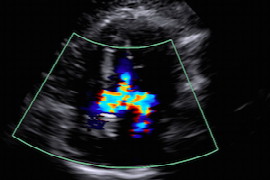
Treatment strategies for feline cardiomyopathies using a case-based approach

Treatment strategies for feline cardiomyopathies using a case-based approach

Puhuja:

Niek_headshot.jpg

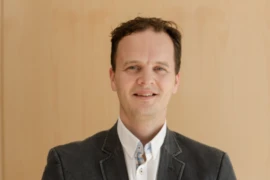
Niek Beijerink

DVM, PhD, DECVIM

Niek Beijerink graduated with a veterinary degree from Utrecht University in The Netherlands. He completed a PhD (canine endocrinology and reproduction) in 2007 and then a residency in Small Animal Cardiology in 2010. He is a Diplomate of the European College of Veterinary Internal Medicine (Cardiology). In 2011 Niek commenced working as a Specialist in Small Animal Cardiology at Sydney University and is responsible for the clinical service and teaching in this area. Some of his active research interests are heart failure therapy, cardiac CT imaging, and genetics of mitral valve disease. In 2018 Niek moved back to The Netherlands, while he continues to hold a part-time position at Sydney University.

Booking information

Kesto: 0:50 h
Puhuja: Niek Beijerink
sivulta 1
57,60 USD
(sis. alv)
Voisit myös olla kiinnostunut

03.03.26 Image 300x200 (1).jpg
Emma Holder
0:49 h

Running on empty - Nursing care for the anaemic patient

In this session Emma Holder will focus on the comprehensive management of anaemic patients, including early detection, appropriate nursing care, and pharmacological treatment strategies


E_26_09_29_Approach to feline anaemia with focus on non-infectious causes_300x200png.png
29.09.2026 (UTC)
18:00 - 20:00 (UTC)

Let`s talk feline anaemia I: Approach to feline anaemia with focus on non-infectious causes

Pallor, jaundice, regenerative, non-regenerative? Getting confident with your feline anaemia cases! A webinar by Severine Tasker. 
image 02.06 300x200 (1).jpg
Benita Altier
0:55 h

Shiny Isn't Sharp: Sharpening Dental Instruments

This practical lecture with Benita Altier teaches you how to evaluate and sharpen veterinary dental instruments to improve efficiency, reduce fatigue, and enhance patient safety.