Nadine Hamilton
DVM, B.Sc. (Psych), PGDipPsych, MTD, Ed.D.
Nadine Hamilton
DVM, B.Sc. (Psych), PGDipPsych, MTD, Ed.D.
Dr Hamilton helps veterinary professionals get on top of stress and conflict to avoid burnout and suicide, and also works with practice managers and owners to increase wellbeing, productivity, and retention in the workplace.
After failing every one of her exams at high school she decided to join the workforce at the age of 15. While she has always been passionate about animals, she learnt very early on that she was way too queasy to become a veterinarian - plus she didn't think it would be possible because of her failure at high school. She knew there was 'something' about euthanaising pets that would be very distressing for veterinary professionals, and in a strange twist of fate, found herself researching this indepth at doctoral level....
Way back in 1996 when she was searching for her 'calling' and had decided to apply to study psychology at university, one of her cousins tragically killed himself. It was at that moment she knew she wanted to work with people who were suicidal, however, she still had that yearning to be involved with the veterinary industry. A chance encounter with a locum veterinarian at her local veterinary practice around 2006 was a pivotal moment – when the veterinarian mentioned the high suicide rate within the veterinary profession. That was all the motivation Dr Hamilton needed to get proactive and do something about it!
Since then Dr Hamilton has successfully completed doctoral research into veterinarian wellbeing, and is the proud founder of the "Love Your Pet Love Your Vet" charity, in which she partnered with Royal Canin to raise awareness about the issues within the veterinary industry. She is also completing PhD studies to further research stress, burnout, and suicide within the veterinary profession. Dr Hamilton works tirelessly to advocate for veterinary wellbeing and the paradigm shift she believes is needed in order to facilitate positive change within the profession.
Dr Hamilton is the author of “Coping with Stress and Burnout as a Veterinarian”, published by Australian Academic Press and released in February 2019.
Webinaires
Nadine Holtermann
DVM
Nadine Holtermann
DVM
2004 – 2010 Studium an der LMU München
2010 – 2012 Klinische Doktorarbeit über Tyrosinkinaseinhibitoren an der Medizinischen Kleintierklinik der LMU München, Abteilung Onkologie
2012 – 2015 Assistenztierärztin in der Tierklinik Hofheim (Ausbildung zur FTÄ für Klein- und Heimtiere abgeschlossen)
2015 – heute Leitung der Station der Tierklinik Hofheim mit Schwerpunkt Intensiv- und Innere Medizin
Webinaires
Nadja Affenzeller
DVM, Dip ECAWBM (BM), MSc
Nadja Affenzeller
DVM, Dip ECAWBM (BM), MSc
Nadja Affenzeller leitet die Ambulanz für klinische Verhaltensmedizin und -therapie an der Veterinärmedizinischen Universität Wien. Ihre Arbeitsschwerpunkte liegen dabei auf den angewandten Aspekten von Verhaltensproblemen wie Prävention, Entwicklung, Diagnostik und Behandlung. Ihr Hauptinteresse gilt der Anwendung wissenschaftlicher Prinzipien in der Verhaltensmedizin, dem Tiertraining, der Erkennung von Gesundheits- und Verhaltensinteraktionen und der Stärkung der interdisziplinären Arbeit zwischen den Bereichen Tierkognition, Tierschutzwissenschaften und Verhaltensmedizin.
Webinaires
Nadja Sigrist
PD, DVM, Small animal specialist FVH, DACVECC, DECVECC, EBVS specialist in veterinary emergency and critical care
Nadja Sigrist
PD, DVM, Small animal specialist FVH, DACVECC, DECVECC, EBVS specialist in veterinary emergency and critical care
After graduating from the veterinary school of the university of Bern in 1996, Nadja completed a doctoral thesis and trained as a specialist for small animals (FVH) before completing a residency in Veterinary Emergency and Critical Care. She is an ACVECC Diplomate since 2004 and ECVECC founding Diplomate since 2014.
From 2005-2010 she was senior clinician in ECC medicine and helped developed the emergency and ICU service at the Small Animal Hospital of the Vetsuisse Faculty of Bern and from 2013-2020 she was senior clinician and the head of the Small Animal Intensive Care Unit at the Small Animal Hospital of the Vetsuisse Faculty of Zürich.
In 2021, Nadja left the university setting to concentrate on her own company VET ECC CE (Veterinary Emergency and Critical Care Consulting & Education).
Webinaires


Nadja Wunderlin
DVM, Dipl. ECVS, FTÄ für Chirurgie der Klein- und Heimtiere
Nadja Wunderlin
DVM, Dipl. ECVS, FTÄ für Chirurgie der Klein- und Heimtiere
Dr. Nadja Wunderlin studierte Tiermedizin an der Justus-Liebig-Universität (JLU) in Gießen (1999-2005). Anschließend promovierte sie unter Prof. M. Kramer (2005-2009), absolvierte 2006-2007 ein rotierendes Internship (Innere Medizin und Kleintierchirurgie) in der Klinik für Kleintiere der JLU Gießen und war dort bis 2009 als Assistenzärztin (Schwerpunkt Weichteilchirurgie) und wissenschaftliche Mitarbeiterin tätig. Ihre Residency ECVS absolvierte sie von 2009-2012. Seit 2012 ist sie Fachtierärztin für Chirurgie der Klein- und Heimtiere. Im Anschluss an Ihre Prüfung zum Dipl. ECVS (2013) arbeitete Sie als Oberärztin in der orthopädischen Abteilung der Klinik für Kleintiere der JLU Giessen und von Januar 2014 bis November 2015 als chirurgische Oberärztin in der Tierklinik Hollabrunn. Aktuell ist sie im Tiergesundheitszentrum Grußendorf als Chirurgin tätig. Ihre Arbeitsschwerpunkte sind: Weichteilchirurgie, Orthopädie und Neurochirurgie.
Webinaires
Natalia Otavski
DVM, BVSc, MANZCVS (Avian Medicine and Surgery), MSc (Wildlife Health), BSc (Biomed)
Natalia Otavski
DVM, BVSc, MANZCVS (Avian Medicine and Surgery), MSc (Wildlife Health), BSc (Biomed)
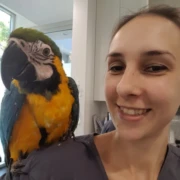
Dr Natalia Otavski completed her Bachelor in Veterinary Science at the University of Sydney in 2015.
She has always had a strong interest in avian and exotic medicine leading her to pursue a career in this field of veterinary science. She has also worked as a veterinarian for companion animals.
In 2021, Natalia was entered as a Member of the Australian and New Zealand College of Veterinary Scientists in the chapter of Avian Medicine and Surgery.
She has also completed a Masters in Wildlife health.
Natalia currently works in a busy Avian and Exotics exclusive clinic in Sydney.
Webinaires
Natalie Baudisch
DVM
Natalie Baudisch
DVM
• Mitarbeiterin der Pferdeklinik der FU Berlin – Abteilung Bildgebung/ Orthopädie
• ECVDI Residency in diagnostic imaging, large animal
• FEI Permitted treating veterinarian
• 2021-2025 Ph.D. zum Thema: Engstände der Dornfortsätze, Einfluss chirurgischer Therapiemethoden auf die Biomechanik
• 2023-2024 Internship an der Pferdeklinik FU Berlin
• 2014-2020 Studium der Veterinärmedizin
Webinaires
Natalie Bertl
DVM
Natalie Bertl
DVM
- Geboren am 16. Januar 1974 in Luzern, Schweiz
- 1994 – 2000: Studium der Tiermedizin an der LMU München
- 17. Oktober 2000: Approbation als Tierärztin (LMU München)
- Januar 2001- Juli 2004: Doktorandin an der I. Medizinischen Tierklinik der LMU München; Thema der Dissertation: „Bestimmung des „Brain natriuretic Peptide“ (BNP) bei herzkranken Hunden.“
- Juni 2002 – September 2003: wissenschaftliche Mitarbeiterin an der I. Medizinischen Tierklinik der LMU München
- Februar 2004 – September 2004: Wissenschaftliche Mitarbeiterin an der Chirurgischen Tierklinik der LMU München
- 23. Juli 2004: Rigorosum
- Oktober 2004 – Oktober 2007: Beschäftigung als Assistenzärztin an der Tierklinik Haar
- 15. März 2005: Erlangung des Fachtierarzt für Innere Medizin
- Oktober 2007 bis heute: Beschäftigung als Oberärztin für Innere Medizin an der Tierklinik Haar /Anicura Tierklinik Haar
Webinaires

Natalie Courtman
DVM, BVSc, MANZCVS, MVS, GCUT, DipACVP
Natalie Courtman
DVM, BVSc, MANZCVS, MVS, GCUT, DipACVP
Natalie graduated from the University of Sydney and spent nine years in small animal practices in Australia and the UK before embarking on her pathology career at the Royal Veterinary College in the UK. She is a Diplomate of the American College of Veterinary Pathologists in clinical pathology, and has a Masters in Veterinary Clinical Studies from Murdoch University and membership of the ANZCVS in Small Animal Medicine and Pathobiology. She has worked in private veterinary laboratories and at the University of Melbourne training DVM students and residents. Her passion is helping vets and vet nurses find and understand the clues that will help them diagnose disease in their patients.
Webinaires
Nathalie Dowgray
BVSc, MRCVS, MANZCVS (feline), PGDip IAWEL, PhD
Nathalie Dowgray
BVSc, MRCVS, MANZCVS (feline), PGDip IAWEL, PhD
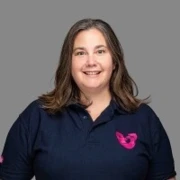
Nathalie graduated from Massey University, New Zealand in 2002. In 2012 she sat the Membership exams for the Australian and New Zealand College of Veterinary Scientists in Feline Medicine and is a RCVS advanced Practitioner in Feline Medicine. She received a post graduate diploma in international animal welfare ethics and law from Edinburgh University in 2016 and completed a PhD in the ageing of cats at the University of Liverpool in 2021. Nathalie’s areas of interest are all things feline including feline health screening, musculoskeletal disease and age-related disease. Nathalie joined iCatCare as Head of ISFM in August 2020.
Webinaires
Nathalie Fouché
DVM, DECEIM
Nathalie Fouché
DVM, DECEIM
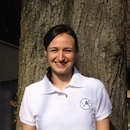
Nach meinem Studium der Veterinärmedizin an der Justus-Liebig-Universität Gießen absolvierte ich ein einjähriges Internship am Cotts Equine Hospital in Wales. Anschließend kam ich für meine Doktorarbeit in die Schweiz nach Zürich. Seit 2012 arbeite ich am Schweizerischen Institut für Pferdemedizin (ISME), Pferdeklinik der Vetsuisse-Fakultät der Universität Bern. Dort absolvierte ich das Internship sowie die Residency des European College of Equine Internal Medicine (ECEIM) und bin heute als Oberärztin in der Abteilung für Innere Medizin der Pferdeklinik tätig. Mein fachlicher Schwerpunkt liegt auf endokrinologischen Erkrankungen des Pferdes.
Webinaires

Niamh Clancy
Niamh Clancy Dip AVN (SA) DipHE CVN Dip VN PgCert VetEd FHEA RVN
Niamh Clancy
Niamh Clancy Dip AVN (SA) DipHE CVN Dip VN PgCert VetEd FHEA RVN
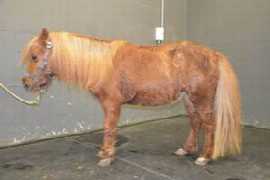
Niamh Graduated from University College Dublin in 2011 with her diploma in veterinary nursing, she then moved to the UK and obtained her advanced diploma in 2015 from Myerscough College. She obtained her PG Cert in veterinary education in 2019 from the Royal Veterinary College. She currently works as an anaesthesia RVN at the Queen Mother Hospital for Animals and a Senior Teaching Fellow for the School of Veterinary Nursing at the Royal Veterinary College. She is Deputy Co-Course Director for the postgraduate and graduate certificates in advanced veterinary nursing offered by the RVC. She created and is the module leader for the anaesthesia and analgesia designation. She is also the module leader for the anaesthesia module of the undergraduate veterinary nursing course. Niamh is also the editor and a contributor for the textbook “The Veterinary Nurses’ Practical Guide to Small Animal Anaesthesia”.
Niamh enjoys teaching practical anaesthesia skills and a systematic approach to complications that can arise when monitoring general anaesthesia. She also has an interest in pain assessment and management.
Webinaires
Nick Cave
BVSc, MVSc, PhD, MANZCVS, DipACVN
Nick Cave
BVSc, MVSc, PhD, MANZCVS, DipACVN
Nick Cave graduated from Massey University (NZ) in 1990 with a BVSc, and worked in general practice for 6 years until 1997, when he returned to Massey for a residency in small animal internal medicine, and attained membership in the Australasian College of Veterinary Scientists by examination, and graduated with a Masters in Veterinary Science in 2000. In 2004 he moved to the University of California, Davis, where he attained a PhD in nutrition and immunology. At the same time, he completed a residency in small animal clinical nutrition, and became a diplomate in the American College of Veterinary Nutrition by examination in 2004. In late 2005, he returned to Massey University to lecture in small animal medicine and nutrition. He is a founding member of the WSAVA Global Nutrition Committee, and a founding board member for the Massey University Centre for Working Dogs. He has served on the editorial board for Veterinary Quarterly, has authored more than 40 peer-reviewed articles, several textbook chapters, and is a frequent commentator in public media.
Webinaires
Nicola Lakeman
MSc, BSc(Hons), RVN, CertSAN, CertVNECC, VTS(Nutrition)
Nicola Lakeman
MSc, BSc(Hons), RVN, CertSAN, CertVNECC, VTS(Nutrition)
Nicola works as the Nutrition Manager for IVC Evidensia. Nicola graduated from Hartpury College with an honours degree in Equine Science, and subsequently qualified as a veterinary nurse in 2002. Nicola has written for many veterinary publications and textbooks and is the editor of Aspinall’s Complete Textbook of Veterinary Nursing. Nicola is one of the Consultant Editors for The Veterinary Nurse. Nicola has won the BVNA / Blue Cross award for animal welfare, the SQP Veterinary Nurse of the Year and the SQP Nutritional Advisor of the Year. Nicola has recently gained her Master’s degree in Advanced Veterinary Nursing with Glasgow University.
Webinaires

Nicolas Granger
DVM, PhD, Dip.ECVN, FHEA, MRCVS, EBVS
Nicolas Granger
DVM, PhD, Dip.ECVN, FHEA, MRCVS, EBVS
Nicolas received his veterinary degree from the National Veterinary School of Alfort, France, in 2002, and completed there an internship and neurology/neurosurgery residency. He became a Diplomate of the European College of Veterinary Neurology in 2006 before moving to the UK to run the neurology and neurosurgery service at the Queen’s Veterinary School Hospital, University of Cambridge until 2008. He took a research position in neuroscience at the University of Cambridge, obtaining a PhD in neuroscience in 2012.
Nicolas has worked in the South West of the United Kingdom, Bristol, for the past 7 years, initially as Senior Lecturer in neurology for the University of Bristol and more recently as a clinician for Highcroft Referrals CVS. His research is based at the Royal Veterinary College were he is Senior Research Fellow.
His research focuses on treatments for spinal cord injury in dogs, including transplantation of cells for spinal cord regeneration and repair, clinical trials for new therapies, and neuromodulation for incontinence control.