
When faced with the prospect of having to anaesthetise a patient with thoracic trauma it can be quite intimidating. No two cases are ever the same and it can often become confusing as to how best to anaesthetise the cat with pulmonary contusions vs the dog with pulmonary bullae. This webinar is designed to increase your knowledge & understanding, thereby building your confidence through evidenced-based approaches and safely manage these cases to provide the best outcome for your patient.
The learning outcomes for this lecture include:
- Describe basic respiratory anatomy and physiology
- Differentiate between spontaneous ventilation, manual (IPPV), and mechanical ventilation
- Define commonly used ventilatory terms
- Explain the benefits of pre-oxygenation and outline effective techniques for achieving it
- Evaluate the advantages and disadvantages of commonly used drugs in respiratory-compromised patients
- Recognise common types of thoracic trauma and outline their key anaesthetic considerations using case examples
The Australian Veterinary Nurse and Technician (AVNAT) Regulatory Council has allocated (1) AVNAT CPD point to this continuing education activity.
Referent:In
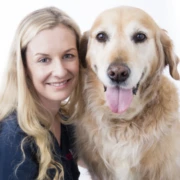
Kate Hatcher
RVN, Cert IV VN, VTS (A & A)
With more than 24 years of experience as a veterinary nurse/technician, I have built a diverse and specialised career across Australia and the United Kingdom. I began my professional journey in general practice in Melbourne and Western Australia before transitioning into full-time emergency nursing at the Animal Emergency Centre, where I developed a strong foundation in critical and acute care.
In 2011, I moved to the United Kingdom and spent five years locuming across a wide range of practices and referral hospitals. During this time, I had the opportunity to work within the Medicine, Surgery, and ECC departments at the Queen Mother Hospital, Royal Veterinary College, University of London—an experience that further deepened my clinical expertise and adaptability.
Since returning to Australia in 2016, I have focused primarily on specialist surgical nursing, working within several referral hospitals. In 2018, I became the Head Surgical Nurse at the Animal Referral Hospital Melbourne, where I played an integral role in establishing and developing the specialist surgical department. In 2021, my studies took me interstate to the Veterinary Specialist Services Queensland, where I worked as a Surgical Supervisor.
I am currently the Anaesthesia Nurse at SASH (Small Animal Specialist Hospital) on the Gold Coast, which opened in February 2025. In this role, I continue to pursue my passion for anaesthesia and analgesia, with a strong focus on training and delivering high-quality, patient-centred care.
My formal qualifications include registration as a Veterinary Nurse with the Royal College of Veterinary Surgeons (UK), a Certificate IV in Veterinary Nursing from the Animal Industries Resource Centre (Australia), and I am also a Veterinary Technician Specialist in Anaesthesia and Analgesia (USA).
In 2011, I moved to the United Kingdom and spent five years locuming across a wide range of practices and referral hospitals. During this time, I had the opportunity to work within the Medicine, Surgery, and ECC departments at the Queen Mother Hospital, Royal Veterinary College, University of London—an experience that further deepened my clinical expertise and adaptability.
Since returning to Australia in 2016, I have focused primarily on specialist surgical nursing, working within several referral hospitals. In 2018, I became the Head Surgical Nurse at the Animal Referral Hospital Melbourne, where I played an integral role in establishing and developing the specialist surgical department. In 2021, my studies took me interstate to the Veterinary Specialist Services Queensland, where I worked as a Surgical Supervisor.
I am currently the Anaesthesia Nurse at SASH (Small Animal Specialist Hospital) on the Gold Coast, which opened in February 2025. In this role, I continue to pursue my passion for anaesthesia and analgesia, with a strong focus on training and delivering high-quality, patient-centred care.
My formal qualifications include registration as a Veterinary Nurse with the Royal College of Veterinary Surgeons (UK), a Certificate IV in Veterinary Nursing from the Animal Industries Resource Centre (Australia), and I am also a Veterinary Technician Specialist in Anaesthesia and Analgesia (USA).
Buchungsinfo
Datum
02.12.2026 (UTC)
Uhrzeit
09:00 -
10:00 (UTC)
Referent:In
Kate Hatcher
ab 1
54,90 US$
(inkl. USt.)
Partner