
Webinars All webinars

Neurological Examination of the Horse

Neurological Examination of the Horse

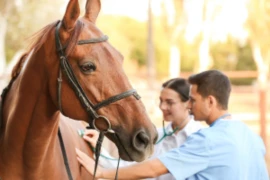
This presentation will outline a practical and systematic approach to performing the neurological examination in horses. Through a cranio-caudal, static and dynamic assessment, participants will review how to evaluate general attitude, cranial nerves, postural reactions, reflexes, and gait. 

The goal is to provide clinicians with a structured method to localize lesions and integrate neurological evaluation into routine equine practice.


This lecture was part of the DACH Conference 2025 and was originally held on December 12, 2025.

Language: English

1 hour according to § 10(2) of the ATF Statutes as mandatory continuing education for ATF members.
ATF hours are recognized by the ÖTK as educational hours.
Recognition according to the guidelines of the Society of Swiss Veterinarians is possible.

The accreditation of CE Points is approved under the condition of a positive completion of the test in the specified period and is valid from January 19, 2026 - January 19, 2027

Speaker:
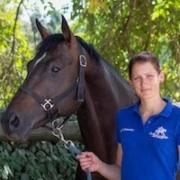
imwsj66kq4ywlj9c6spz7rwphxjoeqgx.jpg

Marianne Depecker

DVM, PhD, Dipl ECEIM

Marianne Depecker is an equine internal medicine specialist (Dipl ECEIM) vet. She has been working since 2016 in a private practice in the South West of France, near Bordeaux. They handle a wide variety of internal medicine cases, primarily as second opinion but also as first opinion, within a diverse population of horses, ponies and donkeys from all disciplines.
Her areas of expertise include respiratory medicine, neurology, endocrinology, neonatalogy and gastroenterology.
She regularly hosts webinars as part of continuing education for equine and mixed practice veterinarians, and is a member of the internal medicine committee of the French Association of Equine Practioners (AVEF).

Booking information

Duration: 0:46 h
Speaker: Marianne Depecker
from 1
54.90 US$
(inkl. tax)

You might also be interested in

WSAVA_300x200.png
Michelle Kutzler
1:09 h

WSAVA Reproduction Control Guidelines: Surgical and Non-Surgical Methods for Sterilization in Cats

Traditional spaying and neutering results in sterilization and eliminates the risk of future reproductive health problems but there are some health trade-offs. For this reason, some cat owners prefer non-surgical sterilization options.
Image 06.08.26 (1).png
06.08.2026 (UTC)
10:00 - 11:00 (UTC)

Noise: Its Physiological and Behavioural Effects in Veterinary Patients

Understand how sound influences your patients' behaviour, when its normal and when it’s not, and factors to consider when treating noise sensitive and reactive patients. A webinar with Bronwen Bollaert


Horse_300x200.png
Marianne Depecker
0:43 h

How to Deal with Ataxia in the Horse

This presentation by Marianne Depecker covers the clinical approach to equine ataxia, reviewing spinal, cerebellar, and vestibular types, emphasizing dynamic assessment, lesion differentiation, and strategies for accurate diagnosis and decision-making.