Webinars & e-learning courses All webinars

Advanced diagnostics in canine and feline lymphoma.

Advanced diagnostics in canine and feline lymphoma.
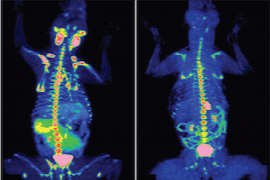
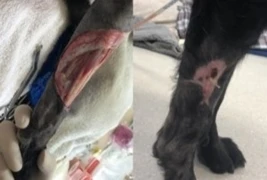
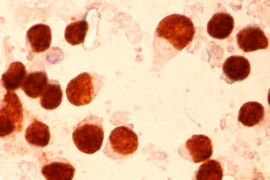
So you have a diagnosis of lymphoma in your small animal patient. What next?  Classification of lymphoma is increasingly important for both prognostic and therapeutic decision making. This webinar will discuss diagnostic options to optimise the diagnostic process in your patient.  Modalities discussed will include immunocytochemistry, immunohistochemistry, flow cytometry and PARR. 

Speaker:

Sue_Image_200x200.jpg

Sue Jaensch

DVM, BSc (Hons), BVMS, PhD, MANZCVS (Avian Health), FANZCVS

Dr Sue Jaensch undertook her undergraduate training at Murdoch University. After working in mixed and small animal practice for five years, she returned to Murdoch to complete her PhD, evaluating avian anaesthesia. Dr Jaensch began her pathology training during her PhD and attained Memberships in Avian Medicine (2001), Veterinary Pathology (2002) and finally her Fellowship in Clinical Pathology in 2009. Dr Jaensch has over 15 years of clinical pathology experience, working in all areas of the discipline.

Booking information

Duration: 0:50 h
Speaker: Sue Jaensch
from 1
57.60 US$
(inkl. tax)

You might also be interested in

300x200.jpg
Momoko Ito
0:53 h

Nursing the end-stage cancer patient 

As veterinary patients age, they are more susceptible to diseases and cancer. This webinar will cover the basic cancer biology, treatment options and palliative care... 
staging-the-oncology-patient.png
Laura Brockley
0:57 h

Staging the Oncology Patient

Staging is one of the most important components of oncology case management. It involves determining the extent of local disease along with the presence or absence of regional or distant metastasis. The results of staging are used to give more accurate and informed treatment options along with prognostic information for each oncology patient. Some of the biggest challenges in staging is to consider how much staging is required for each case, which are the most appropriate tests, and if the results of these tests will impact treatment options and prognosis. I will discuss this information in a case-based and evidence-based approach, focusing on some of the more common cancers including canine mast cell tumours, lymphoma, oral tumours and apocrine gland anal sac adenocarcinomas.
webinar-pic 3x2.jpg
Stephanie Colthurst
0:51 h

Common Malignancies of the Skin - Mast Cell Tumors and Soft Tissue Sarcomas in Dogs and Cats

Tumors of the skin and subcutaneous tissues are the most common malignancies in dogs and cats accounting for over 30-40% of tumors in dogs and 29% in cats...