This webinar will include a discussion of the common causes of pruritus in our canine companions, a practical and achievable diagnostic workup of these patients, and management of the no 1 cause of pruritus – allergies!
Recording from 09.10.2018
Speaker:
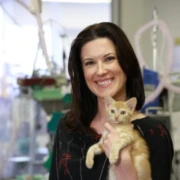
Philippa Ravens
DVM, BSC, BVSC, MVS, MANZCVS, FANZCVS (VETERINARY DERMATOLOGY)
Dr Philippa Ravens graduated with a Bachelor of Veterinary Science from the University of Sydney in 2004. She worked in small animal general practice for 5 years before accepting a residency position in Veterinary Dermatology at the University of Sydney in 2009. She became a member of the Australian College of Veterinary Scientists in Canine and Feline Medicine and completed a Masters degree in Veterinary Clinical Studies through Murdoch University in 2011. She was awarded a fellowship in Veterinary Dermatology through the Australian College in 2016. She is currently employed at the Small Animal Specialist Hospital (SASH) at their North Ryde and Tuggerah clinics as a Dermatology Specialist.
Booking information
Duration:
0:46 h
Speaker:
Philippa Ravens
from 1
57.60 US$
(inkl. tax)