Webinars & e-learning courses Intermediate All webinars

Canine Atopic Dermatitis - Update to Management in Veterinary Practice

Canine Atopic Dermatitis - Update to Management in Veterinary Practice

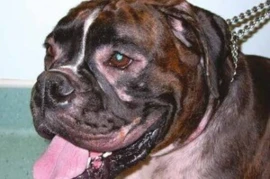
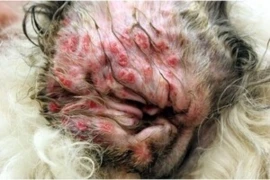
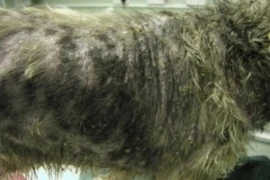
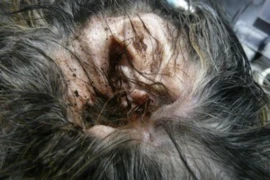
This lecture will explore the critical differences between reactive and proactive management strategies for canine atopic dermatitis (CAD). Reactive management focuses on addressing symptoms after they appear, often involving treatments like corticosteroids to relieve itching and inflammation. While this approach can provide immediate relief, it may not prevent future flare-ups. Proactive management emphasises prevention and long-term control. This includes identifying and avoiding allergens, implementing regular skin care routines and using immunotherapy to desensitise doges to specific triggers. By adopting a proactive stance, pet owners can significantly improve their dog’s quality of life and reduce the frequency and severity of dermatitis episodes, ensuring their furry companions lead happier, healthier lives.

Recorded 21 May 2025

Speaker:

Mandy_Burrows.jpg

Amanda Burrows

DVM, BVMS, MANZCVS, FANZCVS

Mandy is a Fellow of the Australian and New Zealand College of Veterinary Scientists (ANZCVS) in Veterinary Dermatology; a registered specialist in veterinary dermatology and Associate Professor in Small Animal Medicine (Dermatology) at Murdoch University, Western Australia. She is part of the global Animal Dermatology Clinic (ADC) team that has veterinary dermatology referral practices located in the US, Australia and New Zealand and she is the key dermatologist at ADC-Perth with two dermatology practices in Western Australia.  Mandy teaches undergraduate veterinary students at Murdoch University and the dermatology unit of the Masters in Veterinary Medicine at both Murdoch and Massey University. She  is the President of the Council of the ANZCVS; a co-editor of the international journal Veterinary Dermatology and the current Australian and New Zealand representative and the Secretary of the World Association for Veterinary Dermatology and the President of World Congress in Veterinary Dermatology to be held in Sydney in 2020. She has authored and co-authored  publications in national and international journals and textbooks. She has extensive experience with clinical dermatology in companion animals and she loves consulting and teaching.

Booking information

Duration: 1:12 h
Speaker: Amanda Burrows
from 1
54.90 US$
(incl. tax)

You might also be interested in

E_22_02_17_Webinar Image.jpg
Dr John H C Hutt
0:44 h

Approaching the Itchy Dog - A Guide for Nurses 

A guide to nurses can help in the workup of pruritic dogs. 
Pruritus can be confusing - and that's just learning how to spell it! What is it that makes dogs itch? What can we do about it? How do we reach a diagnosis? 
17.03.2026 (1)300.jpg
Dr John H C Hutt
0:46 h

Otitis Externa - Management Strategies for Long Term Resolutions

How to stop your ear patients coming back when you don't want them to or disappearing altogether! A webinar with John Hutt
recognising-lesions-in-dermatology-the-key-to-accurate-diagnosis-1.jpeg
Robert Hilton
1:20 h

Recognising lesions in dermatology - the key to accurate diagnosis

Some people say that everything in dermatology looks the same; just hair loss and red or black skin. This is far from the case. If you can separate primary lesions from secondary changes you are well on your way to formulate a good diagnostic and treatment plan for your patients. The diagnosis and treatment of skin disease in animals is protocol based and it's foundation is the presentling primary lesion picture. It is vital for accurate histopathological diagnosis that the pathologist is given an accurate description of the lesions. In addition, when requesting advice from a veterinary dermatologist, the key is to be able to describe in mutually understandable terms what is happening. In this presentation, Dr's Rob Hilton and Judith Nimmo will co-present the common primary and secondary lesions seen in our small animal patients and discuss their clinical and histological appearance and some of the more common diseases associated with the lesions