Webinars & e-learning courses All webinars

Recognising lesions in dermatology - the key to accurate diagnosis

Recognising lesions in dermatology - the key to accurate diagnosis

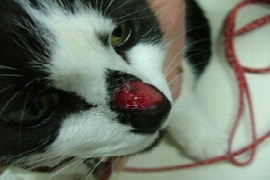
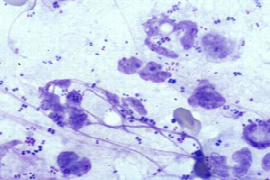
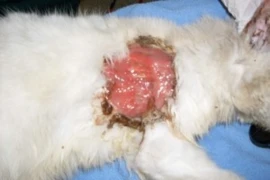
Some people say that everything in dermatology looks the same; just hair loss and red or black skin. This is far from the case. If you can separate primary lesions from secondary changes you are well on your way to formulate a good diagnostic and treatment plan for your patients. The diagnosis and treatment of skin disease in animals is protocol based and it's foundation is the presentling primary lesion picture. It is vital for accurate histopathological diagnosis that the pathologist is given an accurate description of the lesions. In addition, when requesting advice from a veterinary dermatologist, the key is to be able to describe in mutually understandable terms what is happening.

In this presentation, Dr's Rob Hilton and Judith Nimmo will co-present the common primary and secondary lesions seen in our small animal patients and discuss their clinical and histological appearance and some of the more common diseases associated with the lesions.

This webinar is sponsored by ASAP Laboratory.

Recording from 28.05.2019

Speaker:
A_rob_card_photo.JPG
Rob_Hilton_200x200.png

Robert Hilton

DVM, BVSc, MACVSc (Canine med), CertVD, MRCVS, RCVS, Certificate Holder in Veterinary Dermatology
Dr Rob Hilton BVSc(Hons) MANZCVS Cert.VD MRCVS treats allergy & allergic dermatitis + all other skin & ear diseases of dogs, cats and horses at clinics in Melbourne, Geelong and the Surf Coast. Rob is a Registered Vet with 36 years experience.

Booking information

Duration: 1:20 h
Speaker: Robert Hilton
from 1
54.90 US$
(inkl. tax)

You might also be interested in

what-s-new-in-allergic-dermatitis-and-how-does-it-impact-clinical-practice.jpeg
Andrew Hillier
0:54 h

What's new in allergic dermatitis and how does it impact clinical practice

Our understanding of allergic dermatitis in dogs has changed dramatically in the last 10 years. This presentation will highlight new information that changes the way we practice and will include insights on new definitions and clinical syndromes, pathophysiology of atopic dermatitis, a streamlined diagnostic approach and diagnostic criteria, new innovative treatments, and guidance for conducting food trials, amongst others.
131022-image-300x200.jpg
Chloe Fay
0:55 h

Wound Management for Nurses

Wound care management is an integral part of a veterinary nurses skill set. The ability to triage, initiate treatment and help with the resolution of wounds to patients will help the veterinary nurse to feel confident in the ER.
dermatology-diagnostics-1.png
Dr John H C Hutt
0:45 h

Dermatology Diagnostics

Dermatology Diagnostics for Veterinary Nurses and Technicians Do you ever wonder why vets do what they do when dealing with skin cases? Does it sometimes feel like we’re just stabbing in the dark hoping for an answer? Do you find that clients get frustrated with lack of progress? Do they bring their frustrations to you, but you don’t always know what to say? You are not alone! Dermatology and ear cases are the most common health problems presented to small animal practices, and they are frequently cited as the most common reasons that clients change veterinary practices. Dermatology cases can appear to be frustrating and complex, but in fact there are some very logical processes that need to be followed. In this webinar we’ll cover the steps that need to be taken to establish a diagnosis for the most common dermatology presentations. If you understand these steps, then you are equipped to effectively communicate these processes to your clients. We’ll also cover some of the specific diagnostic tests undertaken in the pursuit of a diagnosis in veterinary dermatology, and how nurses and technicians can play a pivotal role in this process.