If you are completely honest with yourself, do you believe your failings are all your own fault, but your successes are pure good luck or a fluke? Are you forever wondering when the ‘fraud police’ are going to come and expose you for being a phony? Would you believe you aren’t alone? If you have ever felt like you didn’t belong somewhere or that your colleagues, friends, and associates are going to discover you are a phony and fraud and that you really don’t deserve the success, then you are not alone. These feelings are referred to as ‘imposter phenomenon’ or ‘imposter syndrome’ and it is estimated that at some point in life, around 70% of people will experience these feelings. Imposter syndrome affects a wide range of people from all aspects of life and this webinar will take a deeper look into the causes, symptoms, and ways you can deal with it.
This webinar is sponsored by ASAP Laboratory
Recording from 12.05.2020
Speaker:
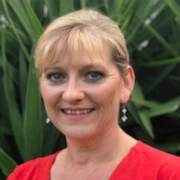
Nadine Hamilton
DVM, B.Sc. (Psych), PGDipPsych, MTD, Ed.D.
After failing every one of her exams at high school she decided to join the workforce at the age of 15. While she has always been passionate about animals, she learnt very early on that she was way too queasy to become a veterinarian - plus she didn't think it would be possible because of her failure at high school. She knew there was 'something' about euthanaising pets that would be very distressing for veterinary professionals, and in a strange twist of fate, found herself researching this indepth at doctoral level....
Way back in 1996 when she was searching for her 'calling' and had decided to apply to study psychology at university, one of her cousins tragically killed himself. It was at that moment she knew she wanted to work with people who were suicidal, however, she still had that yearning to be involved with the veterinary industry. A chance encounter with a locum veterinarian at her local veterinary practice around 2006 was a pivotal moment – when the veterinarian mentioned the high suicide rate within the veterinary profession. That was all the motivation Dr Hamilton needed to get proactive and do something about it!
Since then Dr Hamilton has successfully completed doctoral research into veterinarian wellbeing, and is the proud founder of the "Love Your Pet Love Your Vet" charity, in which she partnered with Royal Canin to raise awareness about the issues within the veterinary industry. She is also completing PhD studies to further research stress, burnout, and suicide within the veterinary profession. Dr Hamilton works tirelessly to advocate for veterinary wellbeing and the paradigm shift she believes is needed in order to facilitate positive change within the profession.
Dr Hamilton is the author of “Coping with Stress and Burnout as a Veterinarian”, published by Australian Academic Press and released in February 2019.