Webinars & e-learning courses All webinars

Dental Problems in the Young Dog

Dental Problems in the Young Dog

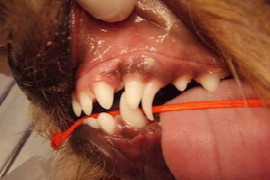
Many dogs do not have their dentition or the rest of their oral cavity checked by a veterinarian until they are a couple of years old. Normally it happens for the first time, when they are in for a routine health check and the vet looks at the teeth to check the periodontal status. But many oral conditions need treatment earlier in life. If left untreated these conditions can lead to more severe illness, that is in some cases irreversible. This webinar will introduce you to the things we should look for when inspecting the dentition of young dogs and give guidelines to when it is appropriate to recommend oral health check-ups. We look at the shedding of deciduous teeth, the normal occlusion compared to malocclusions, developmental disorders, hereditary dental diseases, trauma to teeth and other diseases. And I will give suggestions to diagnosing and treating the findings in an appropriate manner.

Recording from 14.06.2018

Speaker:

Jens_Ruhnau_130x130.png

Jens Ruhnau

Jens Ruhnau, DVM, Dipl.EVDC, Specialdyrlæge

Born in Copenhagen Denmark 1967.
Jens Ruhnau graduated from the University of Copenhagen in 1995. He has worked in private practice since then, and exclusively with veterinary dentistry since 1997. He opened his own referral veterinary dental clinic in Copenhagen in 2007. Today he is head of surgery on that clinic named AniCura TandDyreklinikken doing referral cases in periodontology, endodontology, orthodontics, traumatology and surgical oncology.
Jens Ruhnau passed the European Veterinary Dental College (EVDC) entry exam in 2004 to become the first European veterinary dental specialist in his region. In 2005 he was awarded the Danish specialist title “Specialdyrlæge”.
Jens Ruhnau is a member of European Veterinary Dental Society (EVDS) and a former long term board member. He is also a long term board member of EVDC and at present holding the position of President-Elect in EVDC.
Jens Ruhnau has a number of articles published and is an experienced tutor, teaching on a regular basis in many countries.
Booking information

Duration: 0:52 h
Speaker: Jens Ruhnau
from 1
54.90 US$
(incl. tax)

You might also be interested in

antimicrobial-therapy-for-dental-diseases-1.jpeg
Colin Harvey
0:53 h

Antimicrobial therapy for dental diseases

The mouth is grossly contaminated, and dental procedures are one of the most common indications for invasive procedures (dental scaling or oral surgery such as extraction of teeth). Just on this basis, it would seem appropriate to treat dental procedure patient with an antibiotic. In fact, an antibiotic is not indicated in most dental patients, because the procedure removes the area of infection, and oral tissues heal very rapidly. There are indications for use of an antibiotic, based on the severity of the oral disease undergoing treatment, the type of procedure, and presence of coexisting systemic abnormalities such as cardiac or renal disease. This webinar will describe how to decide which patients need or do not need an antibiotic at the time of the dental procedure. For patients in which administration of an antibiotic is indicated, other decisions needing to be made include which antibiotic to use, timing of the start of the antibiotic treatment and duration of the antibiotic treatment.
dental-extractions-3.jpeg
Nadine Fiani
1:05 h

Dental Extractions

Dentistry composes a large part of daily small animal practice. Performing extractions is an important part of this. In this talk we will cover: Indications for tooth extraction, with some mention of possible alternatives Patient preparation, including positioning, analgesia and antibiotic use Armamentum and brief discussion of extraction technique Possible complications and how to avoid them.
peritoneal-dialysis-1.jpeg
Alexa Bersenas
0:47 h

Peritoneal dialysis

Peritoneal dialysis (PD) remains a viable treatment for patients with acute renal failure, particularly in the face of oliguria or anuria when renal recovery is deemed possible. This presentation will focus on the indications for initiating peritoneal dialysis (PD), and the practical application of providing peritoneal dialysis in hospital. Veterinary clinics have many of the supplies necessary to provide PD to patients. This lecture will focus on the equipment and supplies needed for PD, as well as catheter selection and placement. A procedural overview will follow including how to initiate dialysis, how to alter the prescription and clinical expectations. A review of monitoring for the dialysis patient as well as potential complications will follow. The presentation will address the support staff necessary and time commitment involved. Participants should understand the principles of PD, and have an understanding of how to perform dialysis on completion of the lecture.