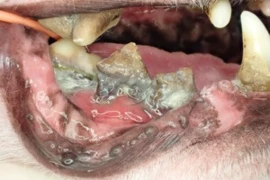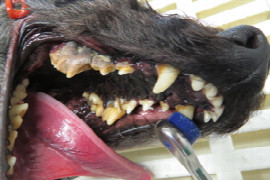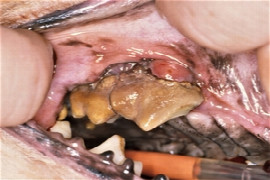
The mouth is grossly contaminated, and dental procedures are one of the most common indications for invasive procedures (dental scaling or oral surgery such as extraction of teeth). Just on this basis, it would seem appropriate to treat dental procedure patient with an antibiotic.
In fact, an antibiotic is not indicated in most dental patients, because the procedure removes the area of infection, and oral tissues heal very rapidly.
There are indications for use of an antibiotic, based on the severity of the oral disease undergoing treatment, the type of procedure, and presence of coexisting systemic abnormalities such as cardiac or renal disease.
This webinar will describe how to decide which patients need or do not need an antibiotic at the time of the dental procedure. For patients in which administration of an antibiotic is indicated, other decisions needing to be made include which antibiotic to use, timing of the start of the antibiotic treatment and duration of the antibiotic treatment.
Recording from 06.06.2019
Speaker:

Colin Harvey
BVSc, FRCVS, DipACVS, DipAVDC
He was Director of the Veterinary Oral Health Council® until 2019. VOHC® (www.VOHC.org) is an independent entity that awards its Seal of Acceptance to products that meet or exceed pre-set standard for retarding accumulation of plaque and/or calculus in dogs and cats.
He is author of more than 150 articles in peer-reviewed journals and of many other articles, and has received several research grants. He has written or edited five books on veterinary dentistry and surgery, and many chapters in books edited by others. He has been Editor of Veterinary Surgery (the ACVS journal) and Editor of the Journal of Veterinary Dentistry.
He has received numerous awards, including the BSAVA Bourgelat Award and Simon Award, the Norden Distinguished Teaching Award, the Peter Emily American Veterinary Dental College Award, the American Veterinary Dental Society Education and Research Award, and the 2018 World Small Animal Veterinary Association Global Award for Scientific Achievement.