Webinars & e-learning courses All webinars

Dietary support for gastrointestinal diseases

Dietary support for gastrointestinal diseases

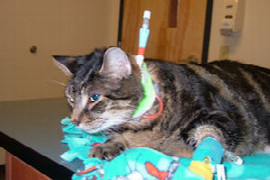
No other organ system is so immediately and profoundly affected by diet than the gastrointestinal tract, and there are few acute or chronic diseases where dietary manipulation is not an important component of the diagnostic approach and management. This webinar will provide an update on feeding trials as a diagnostic tool, how key dietary components interact with the GI tract, the impact of diet on the bacteriome, and will discuss the specific management of some key diseases including pancreatitis, constipation, and severe gastroenteritis.

Recording from 28.02.2018

Speaker:

Nick_Cave_100x100.jpg

Nick Cave

BVSc, MVSc, PhD, MANZCVS, DipACVN

Nick Cave graduated from Massey University (NZ) in 1990 with a BVSc, and worked in general practice for 6 years until 1997, when he returned to Massey for a residency in small animal internal medicine, and attained membership in the Australasian College of Veterinary Scientists by examination, and graduated with a Masters in Veterinary Science in 2000. In 2004 he moved to the University of California, Davis, where he attained a PhD in nutrition and immunology. At the same time, he completed a residency in small animal clinical nutrition, and became a diplomate in the American College of Veterinary Nutrition by examination in 2004. In late 2005, he returned to Massey University to lecture in small animal medicine and nutrition. He is a founding member of the WSAVA Global Nutrition Committee, and a founding board member for the Massey University Centre for Working Dogs. He has served on the editorial board for Veterinary Quarterly, has authored more than 40 peer-reviewed articles, several textbook chapters, and is a frequent commentator in public media.

Booking information

Duration: 1:02 h
Speaker: Nick Cave
from 1
54.90 US$
(inkl. tax)

You might also be interested in

-229.jpeg
Penny Dobson
0:43 h

But I Just Can’t Lose the Weight (for veterinary nurses)

Obesity is not just a cosmetic issue! Obesity is a serious disease with major health implications for pets. It's also a welfare issue and our responsibility to educate the public.
nutrition-of-the-young-dog-and-cat-for-nurses-1.jpeg
Shoned Hawksworth
0:44 h

Nutrition of the young dog and cat (for nurses)

Nutrition is the fifth vital assessment when dealing with patients, it is vital to get this correct throughout the animal’s life in order to maintain a good quality of life, prevent nutrition related diseases and increase longevity. There is a myriad of nutritional complications that can occur differing between the species and breeds, with varying nutritional requirements needed dependent on the signalment of the animal. The importance of nutrition has a large impact on the animals life and one of our roles as nurses is to educate our clients on the best diets for their pet, therefore it is important to know not just what is the preferred diet but what can go wrong if the diet supplied has inadequate nutritional value for that animal. Studies have shown that feeding the correct diet can increase QOL and longevity for the patient therefore reducing medication requirements; consequently it is important to get this correct from the beginning. This webinar will discuss the nutritional requirements of healthy dogs and cats from birth, growth until adult maintenance.
nutrition-support-will-improve-patient-outcomes-CL1460103618.jpeg
Stefanie Handl
0:50 h

Nutrition support will improve patient outcomes!

Nutrition support is often overlooked or delayed in the management of acutely unwell or hospitalised cats and dogs, as medical and surgical treatments take priority. This presentation outlines the importance of early nutritional assessment and intervention in the management of sick cats and dogs, and offers practical solutions to the provision of nutrition support for the at-risk patient. It covers the reasons why early nutrition support can improve patient outcomes, and simple guidelines to assess the nutritional status of patients. Different feeding methods will be discussed, and case studies will be used to demonstrate the appropriate choice of feeding for particular cases.