Webinars & e-learning courses All webinars

Everyday Medical Calculations for Veterinary Nurses

Everyday Medical Calculations for Veterinary Nurses

When most Veterinary Nurses decide to enter the profession they probably don’t think they will be doing much maths, but it is an important skill we use as nurses on a daily basis. Vets will often rely on the nurses to calculate drug volumes to give to a patient, so it is imperative this is done correctly. This webinar will look at calculating drug dose rates including different units of measure and changing one unit to another. We will also look at how to calculate a CRI and concentration of the drugs added to the IV bag. There will be lots of examples and workings to help you along the way.

Recording from 18.07.2019

Speaker:
IMG_3091.jpg

Skye Carr

DipVN (ECC), TAA

Skye is an Australian qualified Veterinary Nurse who has been working as a veterinary nurse for over 16 years. She spent 6 years working in general practice before moving on to a specialist and emergency centre in Adelaide. She split her time between the emergency and medicine departments for many years with a particular interest in critical care. In 2011, Skye completed her Diploma in Emergency and Critical care. Shortly after, Skye took on the Nursing Manager role for the specialty centre for 2 years before deciding to move into a full time senior emergency nursing role. Skye completed her TAE in 2015 to share her knowledge and skills with other veterinary nurses and completed some casual assessing for nurses. Skye is currently still working in Adelaide in a specialist and emergency centre in a part time capacity as a senior nurse for both the emergency and medicine departments.

Booking information

Duration: 0:42 h
Speaker: Skye Carr
from 1
57.60 US$
(inkl. tax)
You might also be interested in

EN_27_01_13_EN_27_01_13_Reading thoracic radiographs of the dog and cat_300x200.png
13.01.2027 (UTC)
19:00 - 20:00 (UTC)

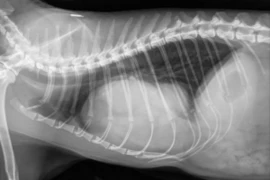
Reading thoracic radiographs of the dog and cat: how to go about?

In this webinar, Pete Mantis provides a practical, structured approach to interpreting canine and feline thoracic radiographs with greater confidence. Learn a systematic reading technique, review normal thoracic anatomy, and gain practical rules of thumb to identify abnormalities and avoid missing important findings.
E_26_10_07_Feline quality of life _Supporting the owner and the patient_300x200.png
Kelly Eyre
1:00 h

Feline quality of life: Supporting the owner and the patient

How can we support quality of life when a patient’s needs change? Join Kelly Eyre to explore palliative care, quality-of-life assessment and compassionate caregiver communication, with a particular focus on feline patients.
toxicology-an-overview-of-three-common-household-toxins-for-nurses-1.png
Chloe Fay
0:58 h

Toxicology; an overview of three common household toxins (for Nurses)

Identification and treatment of toxin exposure should occur as soon as possible to increase survival rates. This webinar will provide an in-depth look at the pathophysiology, clinical symptoms and nursing techniques required for three common household toxins to include; metaldehyde (snail/slug bait), rodenticides (rat bait) and the lily plant. With case studies and multiple choice questions, this webinar will prepare the attendee with the skill set to treat patients with toxin exposure, effectively. A comprehensive consideration of bodily systems and disease processes such as the coagulation cascade, disseminated intravascular coagulation and acute renal failure, will assist the attendee in understanding these three toxins and their treatment.