Webinars & e-learning courses All webinars

Feeding Trends in Dogs and Cats - What's the Science (for Nurses)

Feeding Trends in Dogs and Cats - What's the Science (for Nurses)

Vet Nurses are often the first people our clients speak to about diet, and these days there are so many options - raw, dry kibble, wet food, vegan food and homemade diets. It's very important that nurses are able to discuss these options with clients, with the correct scientific information to share.

The Australian Veterinary Nurse and Technician (AVNAT) Regulatory Council has allocated (1) AVNAT CPD point to this continuing education activity. 

Recording from 2 March 2022

Speaker:
Stefanie_Handl_130x130.jpg

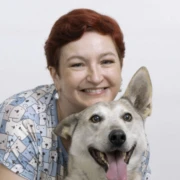
Stefanie Handl

DVM, Dipl. ECVCN

Stefanie Handl graduated in 2002 from the University of Veterinary Medicine Vienna. She received her doctorate degree in 2005 and started working as post-doc researcher at the Institute of Animal Nutrition at the University of Veterinary Medicine Vienna. She spent 1.5 years at the Gastrointestinal Laboratory at Texas A&M University and completed her Residency from the European College of Veterinary and Comparative Nutrition in 2011. In 2013, she opened “Futterambulanz”, a nutritionist practice for small animals in Vienna. Besides, she is lecturer at the Vetmeduni Vienna and co-editor in chief of the Journal of Animal Physiology and Animal Nutrition. 

Booking information

Duration: 0:58 h
Speaker: Stefanie Handl
from 1
54.90 US$
(inkl. tax)

You might also be interested in

dietary-support-for-gastrointestinal-diseases-1.jpeg
Nick Cave
1:02 h

Dietary support for gastrointestinal diseases

No other organ system is so immediately and profoundly affected by diet than the gastrointestinal tract, and there are few acute or chronic diseases where dietary manipulation is not an important component of the diagnostic approach and management. This webinar will provide an update on feeding trials as a diagnostic tool, how key dietary components interact with the GI tract, the impact of diet on the bacteriome, and will discuss the specific management of some key diseases including pancreatitis, constipation, and severe gastroenteritis.
feeding-the-critically-ill-patient-what-can-we-do-and-how-can-we-do-it-better-CL1461887281.jpeg
Daniel Chan
0:54 h

Feeding the Critically Ill Patient – What can we do and how can we do it better?

As nutritional support is now considered an integral part of managing critically ill patients, this presentation will focus of assessing patient’s needs for nutritional support and strategies for introducing feeding in hospitalised small animals.
feeding-senior-pets-for-nurses-1.jpeg
Stefanie Handl
0:57 h

Feeding senior pets (for nurses)

There is growing interest in health and wellbeing of elderly cats and dogs. Nutrition is one of the most important aspects of geriatric care to optimise quality of life and to minimise risks for disease. Although nutrient requirements may not be to different, mature animals cannot adapt as easily to changes in nutrient supply, oversupply or deficiencies as young animals can. Physiological changes associated with aging and chronic diseases, such as obesity, degenerative joint disease, renal disease, cardiac disease, periodontal disease, cognitive dysfunction or cancer may necessitate dietary adaptations.