Webinars & e-learning courses All webinars

Get Rhythm: A Nurse’s Guide to ECG’s

Get Rhythm: A Nurse’s Guide to ECG’s

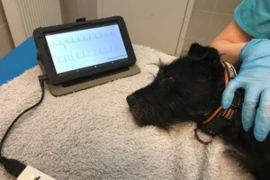
ECG’s can be daunting, it is an area of veterinary nursing that is not taught in great detail and one that is sometimes avoided because it is poorly understood. This webinar will go back to basics; where better to start than at the beginning? We will go through the electrical conduction system of the heart and relate that to how an ECG is actually formed. We will look at how to get a “good” (diagnostic) ECG trace, what is normal, and common arrhythmias you may see in general practice (and what to do if you do see them!).

The Australian Veterinary Nurse and Technician (AVNAT) Regulatory Council has allocated (1) AVNAT CPD point to this continuing education activity. 

Recording from 4 August 2021

Speaker:
Lauren Image.jpg

Lauren Holland

BSc(Hons)

Lauren qualified with an honours degree in Veterinary Nursing in 2011. She worked in a busy mixed animal general practice for a number of years and developed an interest in emergency work. In 2014 she gained her Certificate in Emergency and Critical Care and has an interest in emergency medicine. After joining HeartVets in 2020, she has worked as a Cardiology Referral Nurse and has been able to develop her skills in all things Cardiology! Lauren particularly enjoys echocardiography and nursing critical patients. Lauren has been a clinical coach for a number of years, training veterinary nurse students and in 2020 gained her teacher training qualification. She is passionate and proud of the veterinary nursing profession and is keen to encourage others to follow their passions and develop their skills.

Booking information

Duration: 1:06 h
Speaker: Lauren Holland
from 1
57.60 US$
(inkl. tax)

You might also be interested in

Webp.net-resizeimage (20).png
Chris Linney
0:57 h

Is it just an innocent murmur? Congenital Heart Disease in Puppies and Kittens & Cats (for Nurses)

Heart murmurs in young puppies and kittens are often managed incorrectly. We know that a delay in the diagnosis of congenital heart disease can mean incorrect treatments and cause a major impact on longer term prognosis. This webinar will help guide the veterinary team through the assessment, management and prognosis of commonly encountered congenital heart diseases with plenty of practical tips and tricks for improving your knowledge on the subject. It also aims to give delegates confidence when discussing these congenital conditions with owners and colleagues. Learning Objectives: • How to identify animals that may have congenital heart disease • Understand the most appropriate tests and how to perform these well in young animals • Improve ability to detect and understand the significance of a murmur • Prognosis and treatment options available for the common congenital heart conditions seen
Indications_for_mechanical_ventilation_300x200_1_300x200.png
Corrin Boyd
1:14 h

Indications for Mechanical Ventilation

This session with Corrin Boyd covers the basic principles on the use of mechanical ventilation in small animal critical care
feline-heartworm-disease-for-nurses-1.jpeg
Maggie Fisher
0:44 h

Feline Heartworm Disease (for Nurses)

Feline heartworm disease, caused by Dirofilaria immitis worms, is a good example of where a cat is definitely not a small dog. Infection in dogs tends to be better tolerated, the adult worms are more likely to reach patency and diagnosis and treatment are (relatively) easier than in cats. The reasons for these differences, what can be done to ensure cats avoid this infection and measures to take when cats have the infection will be explored in this webinar. The webinar will also provide an update on heartworm infection in the US, where resistance to heartworm preventives is evolving while researchers seek to understand the factors that led to the genesis of resistance and new solutions, whilst heartworm infection continues to spread. The implications that climate change may have on the epidemiology of heartworm disease will be explored.