Webinars & e-learning courses All webinars

IMTP What nurses need to know

IMTP What nurses need to know

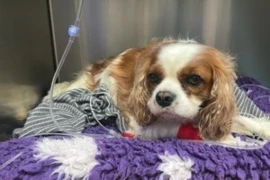
This webinar will explore the signs of, and various treatments available for immune mediated thrombocytopenia. IMTP is a relatively common presentation in practice and provides many challenges to the nursing team. Effective recognition of the condition is key for improved prognosis and this webinar will explore the presenting signs along with the diagnostic tests available. The role of the RVN including specific nursing considerations will be discussed to maximise patient welfare and the different treatment options considered. 

The Australian Veterinary Nurse and Technician (AVNAT) Regulatory Council has allocated (1) AVNAT CPD point to this continuing education activity. 

Recording from 27 April 2023

Speaker:
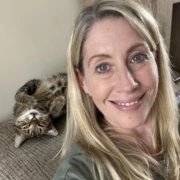
Kelly.jpg

Kelly Druce

Pg Cert Vet Ed, BSc (Hons), DTLLS, FHEA, RVN

I qualified as a VN in early 2001 whilst working at a small animal practice in North-West London. Later that year I became both an assessor and internal verifier and in 2003 took on the role as head nurse at the practice.

I have a keen interest in feline internal medicine, veterinary oncology and domestic animal behaviour. In 2005 I gained the Improve International Nurses Certificate in Animal Behaviour and in 2007 the Improve International Nurses Certificate in Advanced Anaesthesia.
I worked as a nurse, assessor and internal verifier in practice until 2008 when I left to pursue a career in the education sector, gaining my Diploma in Teaching (DTLLS).
In 2014 I completed the top-up BSc in Veterinary Nursing, gaining first class honours.
Whilst lecturing in veterinary nursing at an FE college, I continued to locum in various practices and in 2015 returned full time to practice as a medicine and oncology nurse at the RVC Queen Mother Hospital for Animals. In 2016 I also took on the role of clinical educator at the QMHA.
Booking information

Duration: 1:04 h
Speaker: Kelly Druce
from 1
54.90 US$
(incl. tax)

You might also be interested in

help-my-patient-has-arrested-an-introduction-to-cpr-for-nurses.jpeg
Yvonne Van Der Veek
0:47 h

Help, my patient has arrested! An introduction to CPR (for Nurses)

In this webinar we will review the RECOVER ( Reassessment Campaign on Veterinary Resuscitation) guidelines for Cardiopulmonary Resuscitation. In practice CPR is fortunately not often required but when it does occur it can be a stressful event for everyone involved. The aim of this seminar is to leave you feeling more confident when dealing with a situation when your patient has arrested. For the scope of this seminar we will focus on Basic Life Support. Advanced Life Support falls out of the scope of this webinar but will be briefly discussed. You will learn how to recognize and assess cardiopulmonary arrest and how to respond to this appropriately. The principles of Basic Life Support will be covered step by step, both in a single rescue situation and a team situation. This includes chest compressions and discussing chest compression points in different breeds and species, intubation and ventilation. These guidelines will help you deal with any CPR code in your practice.
Haematology analyser 300x200.jpg
Brett Stone
1:00 h

In-house Blood Tests - Artefacts and Interferences (for Nurses)

Gain understanding in how blood tests results may be affected by artefacts and interferences 


preventative-healthcare-of-the-older-cat-for-nurses-1.jpeg
Sarah Caney
0:49 h

Preventative healthcare of the older cat (for Nurses)

Now that older cats are forming an increasing proportion of our caseload, it's more important than ever to provide 'gold standard' care. There are many common health conditions affecting older cats and preventative healthcare is vital to ensure prompt diagnosis and management of these. Subclinical illness is common but simple tests including detailed history and physical exam, weight assessment, free catch urinalysis, blood pressure assessment and blood tests can optimise early diagnosis. Care of the older cat can be a rewarding experience for cats, owners and veterinary professionals.