Webinars & e-learning courses All webinars

Interesting Radiographic Case Studies

Interesting Radiographic Case Studies

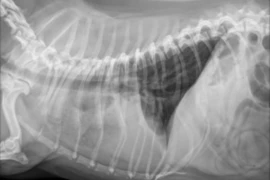
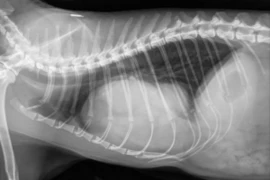
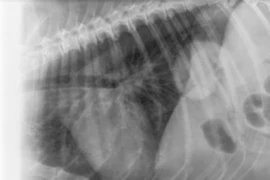
This webinar will go through multiple interesting radiographic case studies that I have collected during my time as a referral radiologist. We will look at cases that you might see in General Practice, they range from common to the more unusual presentation. 

Recording from 21 September 2021


Speaker:

Catheryn_Walsh_1x1.jpg

Catheryn Walsh

DVM, BSc, BVSc (Hons), MANZCVS (Radiology), Grad Cert (Hons) (Abdominal Ultrasound)

Dr Catheryn has worked in general practice for 12 years. She received a membership in diagnostic imaging in 2018, has a special interest in internal medicine, and a graduate certificate in abdominal ultrasound. She is currently undertaking post graduate study in cardiology. She runs her own mobile ultrasound business and analyses radiographs for other vets on a regular basis. 

Booking information

Duration: 0:57 h
Speaker: Catheryn Walsh
from 1
57.60 US$
(inkl. tax)
You might also be interested in

E_24_12_10_Picture_300x200_vlearn.png
Ashley Moors
1:03 h

Computed Tomography for Veterinary Nurses - How to get the best images out of your system

Improve your knowledge and understanding of how Computed Tomography works, and learn recommended techniques for optimum image quality. A webinar with Ash Moors.
E_26_07_21_Radiology of the canine and feline lung made practical_300x200.png
Pete Mantis
1:09 h

Radiology of the canine and feline lung made practical

In this webinar with Pete Mantis you will learn to read thoracic radiographs.
EN_27_01_13_EN_27_01_13_Reading thoracic radiographs of the dog and cat_300x200.png
13.01.2027 (UTC)
19:00 - 20:00 (UTC)

Reading thoracic radiographs of the dog and cat: how to go about?

In this webinar, Pete Mantis provides a practical, structured approach to interpreting canine and feline thoracic radiographs with greater confidence. Learn a systematic reading technique, review normal thoracic anatomy, and gain practical rules of thumb to identify abnormalities and avoid missing important findings.