Revolutionizing Veterinary Oncology – Innovations You Can Use Today!
Join VetGruppen Germany for an exclusive, cutting-edge event where veterinary oncology meets real-world practice. Discover the latest breakthroughs in cancer detection, treatment, and patient care—designed to elevate your clinic’s oncology expertise.
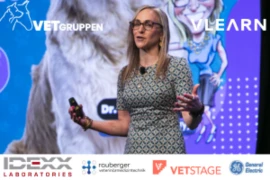
Keynote Speaker: Dr. Sue Ettinger!
We’re thrilled to welcome the renowned Dr. Sue Ettinger, who will deliver two powerhouse sessions packed with cutting-edge oncology insights!
- “My Favorite Cancer Tools for Everyday Practice 2025: Bringing Innovation to Your Oncology Toolbox”
- “Beyond Prednisone: Rethinking Lymphoma Management in General Practice” Simultaneous translation available
AGENDA SATURDAY, MARCH 22, 2025
1:00 PM – 2:30 PM Keynote by Dr. Sue Ettinger: My Favorite Cancer Tools for Everyday Practice 2025: Bringing Innovation to Your Oncology Toolbox
- Innovative Cancer Detection & Diagnostics
- Breakthrough Treatments
- Takeaway: Discover cutting-edge tools and strategies that bring oncology innovations into everyday veterinary practice!
2:30 PM – 2:45 PM Q&A
2:45 PM – 3:15 PM Break
3:15 PM – 4:45 PM Keynote by Dr. Sue Ettinger: Beyond Prednisone: Rethinking Lymphoma Management in General Practice
- Beyond Prednisone: Smarter Treatment Strategies
- Latest Treatment Options
- When Chemotherapy Isn't an Option
- Takeaway: Stay ahead with cutting-edge insights to optimize canine lymphoma treatment in everyday veterinary care!
4:45 PM – 5:15 PM Q&A
ATF-Anerkennung gemäß §§ 10, 12 der ATF-Statuten: 4 Stunden
Recorded on March 21, 2025
Speaker:
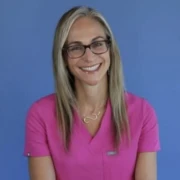
Sue Ettinger
DVM, DACVIM (Oncology)
Dr. Sue Ettinger, DVM, DACVIM (Oncology), is a board-certified veterinary oncologist, international speaker, author, and vlogger. She is one of approximately 450 board-certified specialists in medical oncology in North America and currently practices at Guardian Veterinary Specialists in Brewster, NY.
She earned her veterinary degree from Cornell University College of Veterinary Medicine and completed her medical oncology residency at the Animal Medical Center in NYC in 2003.
Dr. Sue is widely recognized for her contributions to veterinary medicine. She was voted 2019 WVC Small Animal Continuing Educator of the Year and has received awards for Exceptional Doctor Performance and Public Relations Achievement. She co-authored the best-selling Second Edition of The Dog Cancer Survival Guide and frequently contributes to major veterinary publications such as Today’s Veterinary Practice, Clinician’s Brief, and DVM360. She has also co-hosted The Pet Cancer Vet podcast and is a regular guest on veterinary media platforms.
As a dedicated advocate for cancer awareness and early detection, Dr. Sue developed the “See Something, Do Something, Why Wait? Aspirate.®” initiative, encouraging early diagnosis of skin and subcutaneous tumors in pets. Her approach focuses on compassionate cancer care, aiming to improve the quality of life for pets undergoing treatment.
A native of Long Island, NY, Dr. Sue has wanted to be a veterinarian since childhood. She now lives in Westchester, NY, with her two sons and two Labrador Retrievers, Matilda and Penelope.