
Webinars & e-learning courses All webinars

Neurology in first opinion practice: what to do when you can't refer

Neurology in first opinion practice: what to do when you can't refer

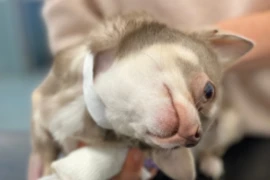
A case based video tour looking at some common neurological cases you might encounter in practice and how best to deal with them. During this we will neuroanatomically localise, create a list of differential diagnoses and discuss diagnostic and treatment options. We will discuss what can be done if referral isn’t an option and what to expect prognostically. 

• Practice your neurological exam and ability to localise with case videos
• Learn to assess and manage neurological cases in general practice.
• Create succinct and accurate neurological differential diagnoses
• Learn about different diagnostic and treatment options in both the first opinion and referral hospital setting
• Discover about a range of neurological emergencies and the prognosis expected for each

Language: English

Recorded October 1, 2025.

Speaker:

Alex Forward.jpg

Alexander Forward

BVSc, MSc, MVetMed, DipECVN, MRCVS

After graduating from Liverpool University in 2011, Alex spent two years in a mixed animal practice in Cornwall. He then completed a rotating internship at the Royal Veterinary College and a subsequent residency in Neurology and Neurosurgery. He was awarded the Diploma of the European College of Veterinary Neurology in 2018 before joining Davies Veterinary Specialists where he currently is. His research interests include intracranial surgery and treatment of brain tumours in dogs.

Booking information

Duration: 0:55 h
Speaker: Alexander Forward
from 1
57.60 US$
(inkl. tax)

You might also be interested in

E_26_12_02_What a pain! Analgesia in exotic pets_300x200.png
02.12.2026 (UTC)
19:00 - 20:00 (UTC)

What a pain! Analgesia in exotic pets

This session explores the unique challenges of nursing hospitalised exotic pets, providing veterinary professionals with practical strategies to recognise behavioural indicators of pain and stress.
E_26_10_07_Feline quality of life _Supporting the owner and the patient_300x200.png
Kelly Eyre
1:00 h

Feline quality of life: Supporting the owner and the patient

How can we support quality of life when a patient’s needs change? Join Kelly Eyre to explore palliative care, quality-of-life assessment and compassionate caregiver communication, with a particular focus on feline patients.
Tierische Schmerztherapie_ Gehirn, Medikamente und Fürsorge.png
Emily Foot
0:59 h

An Opioid Masterclass: The What, When, Why and How of Opioids

As the most commonly used analgesic, alongside NSAIDS and with a broad spectrum of drug choice, this lecture is inspired by real questions from lectures and coveres all you need to know about opioid use!