Webinars & e-learning courses All webinars

Cats are not small dogs

Cats are not small dogs

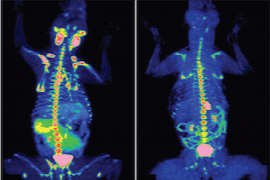
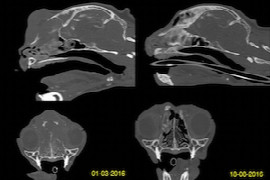
Cancer is a common disease. One in three people, dogs and cats will develop a cancer over their lifetime. Cancer treatment has evolved over the last few decades in all 3 species and there are lots of similarities in cancer behaviour, treatment modalities and clinical outcome. These similarities can be utilised in comparative oncology research On the other hand cancer behaviour can significantly differ between species and its imperative to acknowledge that to achieve the best results in cancer treatment of the individual patients and apply "the correct" dose of treatment. Some cancers are curable, some are able to be held in remission for periods of time, and some are manageable. Veronika will outline the most common diseases such as lymphoma, mast cell tumors, oral tumors, thymoma, lung tumors and bone cancer and discuss differences between dogs and cats not only in the cancer behaviour and response to different treatment options but the availability of new diagnostic tests which can help us to diagnose cancer earlier and therefore optimize long term response to treatment.

Speaker:

Veronika_Langova_130x130.jpg

Veronika Langova

Dr Veronika Langova MVDr MACVSc (medicine) FANZCVS (oncology)

Veronika graduated in Brno, Czech Republic in 1992. She was admitted to the Australian College of Veterinary Scientists as a Member in Small Animal Medicine in 2000. In 2005, she attained Fellowship in Small Animal Oncology after completing her residency at Animal Cancer Care in Brisbane. During 2006-2007, she joined the team of oncologists at the Colorado State University as an Associate Professor. She then spent 12 months working at the Queensland Veterinary Specialists and Veterinary Specialist Services in Brisbane then the Veterinary Specialist Centre in Sydney. Currently is working as specialist oncologist at SASH Sydney. Veronika is a member of Veterinary Cancer society, VSSO, and ESVONC.. She is interested in cancer research and has devoted time to Engeneic Pty Ltd as a clinical trial coordinator, researching on multi-drug resistance and targeted chemotherapy delivery.”

Booking information

Duration: 0:55 h
Speaker: Veronika Langova
from 1
54.90 US$
(incl. tax)

You might also be interested in

chemotherapy-precautions-and-safety-why-how-and-what-to-do-for-nurses-1.jpeg
Momoko Ito
0:45 h

Chemotherapy Precautions and Safety - Why, How and What to do (for Nurses)

Cancer frequently affects our veterinary patients and in recent years chemotherapy has become more commonly utilised treatment. General practices are increasingly prescribing and administering chemotherapy drugs. Chemotherapy drugs are toxic to cells (cytotoxic) interfering with the normal cell life cycle which results in cell death. Cancer cells are targeted by these drugs however they are not specific for cancer cells and healthy tissue can be affected. Chemotherapy drugs are also carcinogenic, mutagenic, teratogenic and abortifacient. It is important that these drugs are handled safely. Personnel handling of chemotherapeutic drugs have been found to have increased risks of infertility, early pregnancy loss or urinary excretion of these drugs. This webinar will discuss the safety precautions necessary for handling chemotherapy agents and will focus on the recent consensus guidelines produced by the American College of Veterinary Internal Medicine (ACVIM) in January 2018 to raise awareness of risks and how we can reduce the exposure within clinics. If time permits, common side effects (neutropaenia, thorombocytopaenia and gastrointestinal side effects) caused by chemotherapy will be explained as well as precautions for handling such patients.
300x200.jpg
Momoko Ito
0:53 h

Nursing the end-stage cancer patient 

As veterinary patients age, they are more susceptible to diseases and cancer. This webinar will cover the basic cancer biology, treatment options and palliative care... 
staging-the-oncology-patient.png
Laura Brockley
0:57 h

Staging the Oncology Patient

Staging is one of the most important components of oncology case management. It involves determining the extent of local disease along with the presence or absence of regional or distant metastasis. The results of staging are used to give more accurate and informed treatment options along with prognostic information for each oncology patient. Some of the biggest challenges in staging is to consider how much staging is required for each case, which are the most appropriate tests, and if the results of these tests will impact treatment options and prognosis. I will discuss this information in a case-based and evidence-based approach, focusing on some of the more common cancers including canine mast cell tumours, lymphoma, oral tumours and apocrine gland anal sac adenocarcinomas.