Webinars & e-learning courses All webinars

Non-Chemotherapy Options for Cancer

Non-Chemotherapy Options for Cancer

There are many ways to attack cancer, chemotherapy is NOT the only medical treatment. This lecture will touch on some more recent therapies such as immunotherapy, small molecule inhibitors and monoclonal antibodies.

Language: English

In case you have missed this webinar, you have the opportunity to watch a recorded version here.

This webinar qualifies for one (1) hour of continuing education.

Speaker:
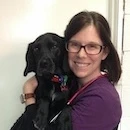
Laura_photo_resized.jpg

Laura Brockley

DVM, BVSc, MANZCVS, FANZCVS

Dr Laura Brockley obtained her Bachelor of Veterinary Science with honours from the University of Melbourne in 2001.  She initially worked in small animal and mixed practices in Victoria and the United Kingdom, including teaching students at the Royal College in London.  Laura completed an internship and residency in Veterinary Oncology at the Melbourne Veterinary Specialist Centre in 2011.  In 2013 she became a registered specialist in Veterinary Oncology (Fellow of the Australian and New Zealand College of Veterinary Scientists).  Laura has a strong clinical interest in immunotherapy, lymphoma diagnostics and treatment, and using evidence-based medicine to provide compassionate care to cancer patients.  She advocates spending the time to ensure pet owners are making an informed decision on treatment options ranging from palliative to potentially curative in intent. Laura is actively involved in continuing education, including lecturing Veterinary nursing students and examining our next generation of oncology specialists.

Booking information

Duration: 0:56 h
Speaker: Laura Brockley
from 1
54.90 US$
(incl. tax)
You might also be interested in

staging-the-oncology-patient.png
Laura Brockley
0:57 h

Staging the Oncology Patient

Staging is one of the most important components of oncology case management. It involves determining the extent of local disease along with the presence or absence of regional or distant metastasis. The results of staging are used to give more accurate and informed treatment options along with prognostic information for each oncology patient. Some of the biggest challenges in staging is to consider how much staging is required for each case, which are the most appropriate tests, and if the results of these tests will impact treatment options and prognosis. I will discuss this information in a case-based and evidence-based approach, focusing on some of the more common cancers including canine mast cell tumours, lymphoma, oral tumours and apocrine gland anal sac adenocarcinomas.
ICC image small.jpg
Sue Jaensch
0:50 h

Advanced diagnostics in canine and feline lymphoma.

So you have a diagnosis of lymphoma in your small animal patient. What next?  Classification of lymphoma is increasingly important for both prognostic and therapeutic decision making. This webinar will discuss diagnostic options to optimise the diagnostic process in your patient.  Modalities discussed will include immunocytochemistry, immunohistochemistry, flow cytometry and PARR. 
300x200.jpg
Momoko Ito
0:53 h

Nursing the end-stage cancer patient 

As veterinary patients age, they are more susceptible to diseases and cancer. This webinar will cover the basic cancer biology, treatment options and palliative care...