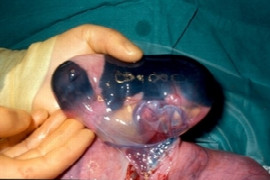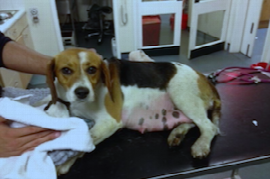
What can nurses do in cases of dystocia? What is important with regards to anaesthesia and monitoring? Learn how to care for the newborn pups and how to introduce them to the bitch.
Language: English
In case you have missed this webinar, you have the opportunity to watch a recorded version here.
This webinar qualifies for one (1) hour of continuing education.
Speaker:

Katherine Howie
RVN
Katherine is a highly motivated emergency and critical care veterinary nurse with a wealth of experience in first opinion, referral and emergency and critical care practice.
Katherine currently work's at a busy out of hour’s clinic which includes all aspects of emergency and critical care nursing. Katherine received her qualifications in January 2000 and has worked in primary care practice, referral practice and now mainly ECC.
Katherine passed the Veterinary Technician Specialty in Emergency and Critical Care in November 2009 and is a tutor for the Vets-Now Certificate in Emergency and Critical Care allowing Veterinary Nurses and technicians to expand their knowledge and pursue further qualifications in their chosen field.
Booking information
Duration:
1:14 h
Speaker:
Katherine Howie
from 1
57.60 US$
(inkl. tax)