Webinars & e-learning courses All webinars

Obesity in Dogs 

Obesity in Dogs 
Obesity in Dogs 

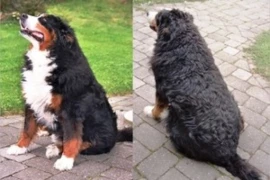
Obesity is recognized as the most important medical disease in pets worldwide with a prevalence of 40-60 %.  It not only increases disease risk, it reduces quality of life and  shortens life expectancy. In this webinar, we will discuss different weight loss regimens (include examples) and life style adaptations (like treats), ways to improve owner compliance and pitfalls to avoid. 

The Australian Veterinary Nurse and Technician (AVNAT) Regulatory Council has allocated (1) AVNAT CPD point to this continuing education activity. 

Recording from 18 February 2021

Speaker:
Stefanie_Handl_130x130.jpg

Stefanie Handl

DVM, Dipl. ECVCN

Stefanie Handl graduated in 2002 from the University of Veterinary Medicine Vienna. She received her doctorate degree in 2005 and started working as post-doc researcher at the Institute of Animal Nutrition at the University of Veterinary Medicine Vienna. She spent 1.5 years at the Gastrointestinal Laboratory at Texas A&M University and completed her Residency from the European College of Veterinary and Comparative Nutrition in 2011. In 2013, she opened “Futterambulanz”, a nutritionist practice for small animals in Vienna. Besides, she is lecturer at the Vetmeduni Vienna and co-editor in chief of the Journal of Animal Physiology and Animal Nutrition. 

Booking information

Duration: 0:51 h
Speaker: Stefanie Handl
from 1
54.90 US$
(inkl. tax)

You might also be interested in

dietary-support-for-gastrointestinal-diseases-1.jpeg
Nick Cave
1:02 h

Dietary support for gastrointestinal diseases

No other organ system is so immediately and profoundly affected by diet than the gastrointestinal tract, and there are few acute or chronic diseases where dietary manipulation is not an important component of the diagnostic approach and management. This webinar will provide an update on feeding trials as a diagnostic tool, how key dietary components interact with the GI tract, the impact of diet on the bacteriome, and will discuss the specific management of some key diseases including pancreatitis, constipation, and severe gastroenteritis.
diagnosis-of-food-allergy-in-dogs-CL1460110259.jpeg
Chiara Noli
0:39 h

Diagnosis of food allergy in dogs

The main steps in diagnosing food allergy in dogs are the exclusion other differential diagnoses, the administration a correct elimination diet for a suitable amount of time and the interpretation of the results of the diet trial. Advanta-ges and disadvantages of other diagnostic tools, such as the intradermal skin test or the serological test, the patch test, the gastroscopic test will be discussed. Useful tips on how to chose the most suitable hypoallergenic diet and how to improve compliance during the diet trial will also be offered.
dog-food-g213e7b658_1920 (1).jpg
Stefanie Handl
0:58 h

Feeding Trends in Dogs and Cats - What's the Science (for Nurses)

Vet Nurses are often the first people our clients speak to about diet, and these days there are so many options - raw, dry kibble, wet food, vegan food and homemade diets. It's very important that nurses are able to discuss these options with clients, with the correct scientific information to share.