Webinars All webinars

Pyometra in Small Animals

Pyometra in Small Animals

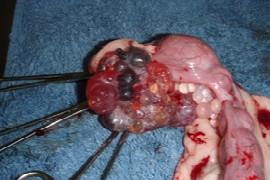
With increasing population of dogs being entire for longer, and the desire to treat medically rather than surgically performing an ovariohysterectomy, pyometra in small animal practice is becoming a commonly encountered problem. Here we review the medical and surgical options available for this disease.

Recording from 23 June 2020

Speaker:
Xavier.png

Xavier Schneider

Dr. Xavier Schneider BIT BLM(hons) BVSc(hons) MANZCVS (Animal Reproduction) DipACT

Xavier graduated as a veterinarian from the University of Queensland and began his veterinary career working in mixed practice in Northern Australia focusing on Equine and Bovine Reproduction. On returning to Brisbane, he completed an internship in Equine surgery, medicine and reproduction at The University of Queensland. Xavier has currently completed a residency program in Theriogenology (Animal Reproduction) with the American College of Theriogenologists at Queensland Veterinary Specialists and The University of Queensland. Xavier is a member of the Australian and New Zealand College of Veterinary Scientists, a Diplomate of the American College of Theriogenologists and a board certified specialist in Theriogenology (Reproduction).
Booking information

Duration: 1:02 h
Speaker: Xavier Schneider
from 1
54.90 US$
(incl. tax)

You might also be interested in

caesarean-section-tips-for-success-1.jpeg
Paul Aldridge
1:01 h

Caesarean Section - tips for success

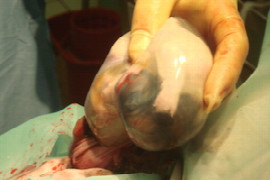
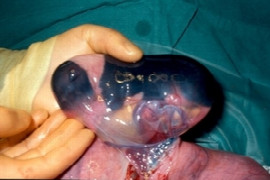
Caesarean sections are one of the most common emergency surgeries performed, and it can be a stressful time for owner, clinical team and patient! This presentation will look at how we can maximize the outcome of the procedure for both mum and offspring. Dystocia can occur for a number of reasons, so appreciating what's normal in pregnancy and labour in the bitch, will help us to spot the cases where we need to intervene either medically or surgically. A brief over-view of normal parturition will be followed by a closer look at how we can focus on patient preparation, anaesthesia, surgical technique and neonate care to improve our chances of a successful result in these rewarding cases.
canine-obstetrics-decision-making-when-to-do-a-c-section-1.jpeg
Gary England
1:02 h

Canine obstetrics: decision making when to do a c-section

Primary uterine inertia is the most common cause of dystocia in dogs and when combined with the highly variable pregnancy length (58 to 72 days from mating to whelping) causes significant confusion in managing ‘the overdue bitch’. Appreciating the normal reproductive biology including when and how diagnostic tests should be applied improves clinical decision-making and facilitates improved outcome in cases of potential dystocia.
21.03 Image 300x200 (1).jpg
Nadine Apteker
0:47 h

Damned if you do damned if you don't - A new perspective on pet desexing

This webinar provides information about the long term health concerns associated with gonadectomy in dogs and cats and offers alternatives to surgical desexing.