Webinars & e-learning courses All webinars

Treating the modern atopic veterinary patient

Treating the modern atopic veterinary patient

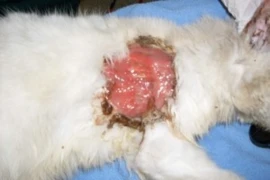
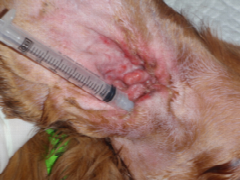
The evolution of veterinary dermatology and available pharmaceutical options for treatment of atopic dermatitis has changed significantly in the recent past. This lecture will review a wide array of treatment options both old and new for atopic dogs and cats including immunotherapy, antihistamines, fatty acids, steroids, Oclacitinib (Apoquel®), Cyclosporine (Atopica®), and lokivetmab (Cytopoint®). We will discuss how these therapies benefit the atopic patient and when each treatment is appropriate. Learn what side effects to beware of, how to better educate your clients, and when referral to a dermatologist is helpful.

Recording from 28.02.2019


Speaker:
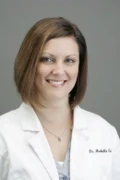
Michelle_LeRoy_head_shot_1_resized.jpg

Michelle LeRoy

DVM, DACVD

Michelle LeRoy practices veterinary dermatology at the Veterinary Allergy and Dermatology Clinic in Overland Park, KS. She received her Bachelor of Science in biology with a minor in French from Kansas State University in 2008. She continued her education by completing a Doctor of Veterinary Medicine degree in 2012 from Kansas State University College of Veterinary Medicine. Upon completion of her degree, she completed a one-year rotating small animal internship at VCA Mission Animal Referral and Emergency Center in Mission, KS and then worked for a short time in general practice. She then completed a three-year residency under the guidelines of the American College of Veterinary Dermatology both at Veterinary Allergy and Dermatology Clinic and the University of Missouri College of Veterinary Medicine in Columbia, MO. Dr. LeRoy achieved Diplomate status with the American College of Veterinary Dermatology in 2016. She is currently an adjunct assistant professor at the University of Missouri College of Veterinary Medicine where she teaches dermatology coursework and is a clinical instructor in the Veterinary Health Center. Dr. LeRoy also enjoys traveling, following her favorite sports teams, and spending time with her family, dog Sophie, and cats.

Booking information

Duration: 0:51 h
Speaker: Michelle LeRoy
from 1
54.90 US$
(inkl. tax)

You might also be interested in

Capture 1.JPG
Danielle Hoolahan
0:47 h

We are all ears! Management strategies for otitis externa

Otitis externa is a commonly encountered condition in general practice  and referral practice. Identifying the predisposing, primary and perpetuating factors associated with otitis externa is a key component in gaining control of this condition long term. This webinar will cover the...


dermatology-diagnostics-1.png
Dr John H C Hutt
0:45 h

Dermatology Diagnostics

Dermatology Diagnostics for Veterinary Nurses and Technicians Do you ever wonder why vets do what they do when dealing with skin cases? Does it sometimes feel like we’re just stabbing in the dark hoping for an answer? Do you find that clients get frustrated with lack of progress? Do they bring their frustrations to you, but you don’t always know what to say? You are not alone! Dermatology and ear cases are the most common health problems presented to small animal practices, and they are frequently cited as the most common reasons that clients change veterinary practices. Dermatology cases can appear to be frustrating and complex, but in fact there are some very logical processes that need to be followed. In this webinar we’ll cover the steps that need to be taken to establish a diagnosis for the most common dermatology presentations. If you understand these steps, then you are equipped to effectively communicate these processes to your clients. We’ll also cover some of the specific diagnostic tests undertaken in the pursuit of a diagnosis in veterinary dermatology, and how nurses and technicians can play a pivotal role in this process.
recognising-lesions-in-dermatology-the-key-to-accurate-diagnosis-1.jpeg
Robert Hilton
1:20 h

Recognising lesions in dermatology - the key to accurate diagnosis

Some people say that everything in dermatology looks the same; just hair loss and red or black skin. This is far from the case. If you can separate primary lesions from secondary changes you are well on your way to formulate a good diagnostic and treatment plan for your patients. The diagnosis and treatment of skin disease in animals is protocol based and it's foundation is the presentling primary lesion picture. It is vital for accurate histopathological diagnosis that the pathologist is given an accurate description of the lesions. In addition, when requesting advice from a veterinary dermatologist, the key is to be able to describe in mutually understandable terms what is happening. In this presentation, Dr's Rob Hilton and Judith Nimmo will co-present the common primary and secondary lesions seen in our small animal patients and discuss their clinical and histological appearance and some of the more common diseases associated with the lesions