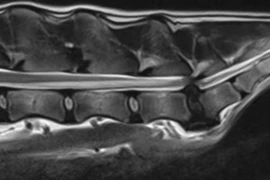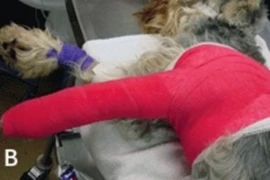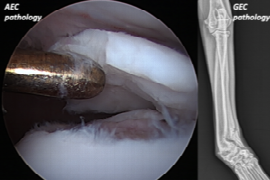
There is a great deal of misinformation regarding exercising young dogs. Much of this is anecdotal without scientific evidence. While there is much to be learned regarding exercise and training of young dogs, there is a growing body of evidence that suggests young dogs can safely exercise and train. However, there are some precautions. The evidence of exercise in young dogs and these cautions will be discussed in this talk.
Recording from 27 January 2022
Speaker:
Darryl Millis
Professor, DVM, DACVS, CCRP, DACVSMR
Dr. Millis received his BS and DVM from Cornell University, MS from the University of Florida, and completed an internship and surgery residency at Michigan State University. He is a Diplomate of the American College of Veterinary Surgeons, a founding charter Diplomate of the American College of Veterinary Sports Medicine and Rehabilitation, and is Professor of Orthopedic Surgery at the University of Tennessee College of Veterinary Medicine, where he served as chief of surgery. Dr. Millis is currently holds the Acree Endowed Chair in Small Animal Medicine, is the Director of the CARES Center for Veterinary Sports Medicine and is a co-editor of the Textbook of Small Animal Physical Therapy and Rehabilitation; Essential Facts of Physiotherapy in Dogs and Cats; Small Animal Physical Rehabilitation: Veterinary Clinics of North America-Small Animal Practice; and Multimodal Management of Canine Osteoarthritis. He is a primary faculty member of the University of Tennessee Certificate Program in Canine Rehabilitation, which received the Outstanding Non-Credit Program Award from the Association for Continuing Higher Education. Dr. Millis has received the World Small Animal Veterinary Association Iams Paatsama Award, the Pfizer Award for Research Excellence, the Distinguished Postdoctoral Veterinary Alumnus Award from Michigan State University, the Charles and Julia Wharton Distinguished Professor Award and the Chancellor’s Award for Professional Promise in Research and Creative Achievement from the University of Tennessee. His primary areas of research interests include osteoarthritis, physical rehabilitation, and modulation of fracture healing with growth factors. Dr. Millis has delivered over 900 presentations at state, national and international meetings, and has authored over 45 publications, 50 textbook chapters, and 100 abstracts/proceedings.
Booking information
Duration:
0:55 h
Speaker:
Darryl Millis
from 1
57.60 US$
(inkl. tax)