Webinars & e-learning courses All webinars

The Diagnostic Approach to the Pruritic Cat for Nurses

The Diagnostic Approach to the Pruritic Cat for Nurses

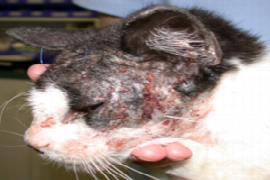
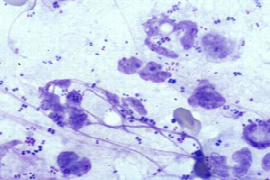
In this one-hour lecture, we will discuss the clinical signs, diagnosis and treatment of allergies in our feline friends. Allergic conditions in cats are common in small animal dermatology, but they remain challenging to diagnose given the multitude of clinical presentations. We will aim to streamline the workup of the allergic cat to allow an accurate diagnosis and a long-term, sustainable, targeted treatment plan.

The Australian Veterinary Nurse and Technician (AVNAT) Regulatory Council has allocated (1) AVNAT CPD point to this continuing education activity. 

Recording from 23 November 2022

Speaker:

Fiona_Bateman_133x200_02.jpg

Fiona Bateman

Dr Fiona Bateman BVSc (Hons) MACVSc (Small Animal Medicine) DACVD

Fiona graduated with honours from the University of Melbourne in 2005. After completing a year in Emergency and Referral practice in Melbourne, she undertook a rotating internship in Small Animal Medicine and Surgery at Queensland Veterinary Specialists and Pet Emergency in Brisbane. Following completion of the internship, she continued her role as Assistant Clinical Director of Pet Emergency.
Fiona was then offered a residency position in Veterinary Dermatology, training under both Australian and American residency programs. As part of her training program, she has had additional periods of study at Colorado State University and the Equine trust in Cambridge UK. She is a Diplomate of the American College of Veterinary Dermatology and Registered Specialist in Veterinary Dermatology.

Booking information

Duration: 0:59 h
Speaker: Fiona Bateman
from 1
54.90 US$
(incl. tax)
You might also be interested in

the-pruritic-cat-a-practical-approach-to-diagnosis-and-treatment.png
Heidi Schroeder
1:04 h

The pruritic cat – a practical approach to diagnosis and treatment

Pruritus is one of the most common presenting complaints of cat owners in practice as many dermatoses of cats are associated with pruritus. The pruritus symptoms may manifest as licking/overgrooming, scratching, chewing, or biting the skin, resulting in alopecia, erythema, and dermatitis. Determining the cause of the pruritus can be more difficult in cats than dogs and it is important to understand that cats are not small dogs. The same cause may elicit different reaction patterns in different cats. This webinar will focus on identifying the reaction patterns, discuss a step-wise diagnostic approach to rule out the common causes of pruritus in cats and discuss management of the various causes. Because cats seemingly tolerate corticosteroids well and are often difficult to medicate, overuse of long-acting steroid injections is common. Using this step-wise approach to identify and control the underlying causes can decrease the use of steroids and reduce the risks of developing serious adverse effects such as diabetes and congestive heart failure.
feline-pruritus-what-s-new-in-diagnosis-and-management-1.png
Linda Vogelnest
1:02 h

FELINE PRURITUS: what’s new in diagnosis and management?

Feline pruritus can be very challenging to manage, due to the potential for severe self trauma, and challenges of medicating many cats. Accurate diagnosis is always the first important step, and in this webinar we will cover practical tips when to consider infectious causes such as dermatoyphtosis or Demodex gatoi, how and when to use elimination diet trials, when to consider flea allergy, and the value of allergy testing (serum & intradermal). Step two is focusing on treatment, and along with updates on current treatment options, guidelines will be given on how to make wise treatment choices for each patient, and how to manage severely pruritic presentations while completing diagnostic trials.
dermatology-diagnostics-1.png
Dr John H C Hutt
0:45 h

Dermatology Diagnostics

Dermatology Diagnostics for Veterinary Nurses and Technicians Do you ever wonder why vets do what they do when dealing with skin cases? Does it sometimes feel like we’re just stabbing in the dark hoping for an answer? Do you find that clients get frustrated with lack of progress? Do they bring their frustrations to you, but you don’t always know what to say? You are not alone! Dermatology and ear cases are the most common health problems presented to small animal practices, and they are frequently cited as the most common reasons that clients change veterinary practices. Dermatology cases can appear to be frustrating and complex, but in fact there are some very logical processes that need to be followed. In this webinar we’ll cover the steps that need to be taken to establish a diagnosis for the most common dermatology presentations. If you understand these steps, then you are equipped to effectively communicate these processes to your clients. We’ll also cover some of the specific diagnostic tests undertaken in the pursuit of a diagnosis in veterinary dermatology, and how nurses and technicians can play a pivotal role in this process.