Webinars & e-learning courses All webinars

The pruritic cat – a practical approach to diagnosis and treatment

The pruritic cat – a practical approach to diagnosis and treatment

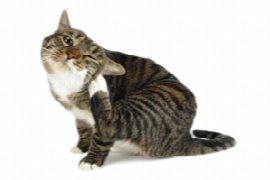
Puritus is one of the most common presenting complaints of cat owners in practice as many dermatoses of cats are associated with pruritus. The pruritus symptoms may manifest as licking/overgrooming, scratching, chewing, or biting the skin, resulting in alopecia, erythema, and dermatitis. Determining the cause of the pruritus can be more difficult in cats than dogs and it is important to understand that cats are not small dogs. The same cause may elicit different reaction patterns in different cats. This webinar will focus on identifying the reaction patterns, discuss a step-wise diagnostic approach to rule out the common causes of pruritus in cats and discuss management of the various causes. Because cats seemingly tolerate corticosteroids well and are often difficult to medicate, overuse of long-acting steroid injections is common. Using this step-wise approach to identify and control the underlying causes can decrease the use of steroids and reduce the risks of developing serious adverse effects such as diabetes and congestive heart failure.

This webinar qualifies for one (1) hour of continuing education.

This webinar is organised in co-operation with the South African Vet Dermatology Interest Group, sponsored by Virbac South Africa, and facilitated by Vet360


Recording from 25.04.2018

Speaker:

Heidi Schroeder.jpg

Heidi Schroeder

DVM, BVSc, MMedVet(Med)
Dr Heidi Schroeder qualified as a veterinarian from the Faculty of Veterinary Science, Onderstepoort, in 1988. She obtained her MMedVet(Med) – Specialist Physician degree from the same university in 1994. During this time, she was a senior lecturer in the Small Animal Medicine Department. She left the University in 1996 to start a Small Animal Medicine referral practice in Pretoria. She has a special interest in Dermatology and attends to many dermatological referral cases. She has been lecturing to veterinarians all over South Africa on a variety of dermatological topics and has written several cpd articles on various dermatology topics. She was awarded a sponsorship by the World Association for Veterinary Dermatology (WAVD) to attend the 8th World congress of Veterinary Dermatology in Bordeaux in 2016. Together with Prof Andy Leisewitz, she founded the South African Veterinary Dermatology Interest group which aims to promote dermatology in South Africa.

Booking information

Duration: 1:04 h
Speaker: Heidi Schroeder
from 1
54.90 US$
(inkl. tax)

You might also be interested in

131022-image-300x200.jpg
Chloe Fay
0:55 h

Wound Management for Nurses

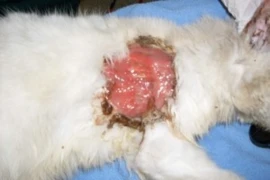
Wound care management is an integral part of a veterinary nurses skill set. The ability to triage, initiate treatment and help with the resolution of wounds to patients will help the veterinary nurse to feel confident in the ER.
otitis-externa-management-strategies-for-long-term-resolutions-1.png
Dr John H C Hutt
0:48 h

Otitis Externa - Management Strategies for Long-Term Resolutions

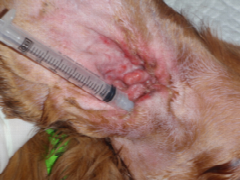
Otitis externa is one of the most commonly encountered presentations in clinical practice. It can also be one of the most frustrating, with large numbers of patients developing recurrent or chronic disease. Multiple client surveys have highlighted the fact that frustration with management of chronic otitis is one of the most common reasons for clients switching veterinary practices. In this webinar we’ll look at how otitis develops in our patients, and gain an understanding of the underlying factors involved. Understanding the pathogenesis of otitis is the most important aspect of successful long-term management of the disease. Armed with this information, we’ll go on to look at specific treatments and preventative measures and the pros and cons of various approaches. We’ll also spend some time discussing the treatment of multi-resistant Pseudomonas otitis, a notoriously difficult infection to get on top of. Finally, we’ll discuss the various surgical options that may be used in the management of otitis, bearing in mind that in all but a few cases, successful medical management is always our preferred option.
feline-pruritus-what-s-new-in-diagnosis-and-management-1.png
Linda Vogelnest
1:02 h

FELINE PRURITUS: what’s new in diagnosis and management?

Feline pruritus can be very challenging to manage, due to the potential for severe self trauma, and challenges of medicating many cats. Accurate diagnosis is always the first important step, and in this webinar we will cover practical tips when to consider infectious causes such as dermatoyphtosis or Demodex gatoi, how and when to use elimination diet trials, when to consider flea allergy, and the value of allergy testing (serum & intradermal). Step two is focusing on treatment, and along with updates on current treatment options, guidelines will be given on how to make wise treatment choices for each patient, and how to manage severely pruritic presentations while completing diagnostic trials.