Webinars & e-learning courses All webinars

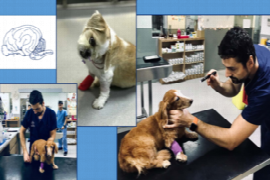
The neurological examination of small animals

The neurological examination of small animals

Whether you are a veterinarian or a human physician, the neurological examination is the corner stone of the neurology consultation. It has been the case since the work of Pr Charcot who is called the father of modern neurology.

The concept behind it is that accurate neuroanatomical knowledge allows to interpret the clinical findings which ultimately translate into a neurolocalisation. Accurate neurolocalisation does at least half of the work of the neurologists. It allows appropriate choice of tests and almost always significantly narrows down the list of differential diagnoses.

The neurological examination implies good understanding of the basic functional neuroanatomy, method and some experience.

Recording from 12 February 2020

Speaker:
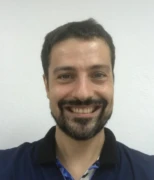
IMG_5334.jpg

Matthias Le Chevoir

DVM, Dip ECVN

Matthias graduated from the Ecole Vétérinaire d’Alfort (France) in 2006. Following awarding of his DVM, he completed a general rotating internship followed by a medicine internship in the same institution. He then was accepted to take a neurology residency program in the same institution which he completed between 2008 and 2011. He was awarded the title of diplomate of the European College of Veterinary Neurology (DipECVN) by examination in October 2011.
He has been working as a lecturer in neurology and neurosurgery at the University of Melbourne since then. He is providing lectures to the students as well clinical supervision for the residents. He also directly consults at U-Vet.
His field of interest are neuro muscular disease ; canine idiopathic polyradiculoneuritis (Coonhound paralysis) specifically. He also has strong interest in idiopathic epilepsy and non-infectious inflammatory disease of the central nervous system in dogs (meningo-encephalitis of unknown origin, granulomatous meningo-encephalitis and necrotising meningo-encephalitis) and optimising the treatment and follow-up of such conditions.
He has research programs on idiopathic polyradiculoneuritis in dogs, implantable EEG devices, meningoencephalitis of unknown origin and brain tumours of dogs and future perspectives in this field. He has been involved in new devices for the control of seizures in dogs with idiopathic epilepsy.
He has given talks in France, Great Britain, China and Australia and regularly publishes in the field of veterinary neurology.

Booking information

Duration: 0:59 h
Speaker: Matthias Le Chevoir
from 1
54.90 US$
(inkl. tax)

You might also be interested in

03.03.26 Image 300x200 (1).jpg
Emma Holder
0:49 h

Running on empty - Nursing care for the anaemic patient

In this session Emma Holder will focus on the comprehensive management of anaemic patients, including early detection, appropriate nursing care, and pharmacological treatment strategies


E_25_10_01_Neurology in first opinion practice- what to do when you can't refer_300x200.png
Alexander Forward
0:55 h

Neurology in first opinion practice: what to do when you can't refer

A case based video tour provided by Alexander Forward looking at some common neurological cases you might encounter in practice and how best to deal with them.
E_2026_02_19_Immune-mediated Polyarthritis - When to suspect, what to rule out and what to treat with_300x200-2.png
Craig Breheny
1:00 h

Immune-mediated polyarthritis - when to suspect, what to rule out and what to treat with

Immune-mediated polyarthritis can affect many body systems and prove a diagnostic challenge. With abundant underlying triggers, Craig Breheny will talk about how deciding on a work up plan, and the associated therapeutic interventions can be a challenge.