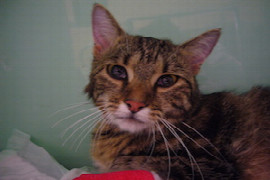
Cats are one of the most popular pets in the world. They reach an old age due to improving welfare oriented cat keeping and sophisticated veterinary support. After 10 to 12 years of life the cat’s age becomes obvious by changes in the body condition and proportions. Geriatric feline metabolism basically differs from canine metabolism, so adaption of feeding as well as preventive veterinary examinations is crucial for a healthy aged cat. Differentiation of physiological changes in the aged cat from pathological events is of major importance and a basic veterinary challenge. Efficient use of certain examination methods shall provide important information without stressing the feline patient. Even we are able to run complicated, expensive, and time consuming tests, the most important information regularly result from the clinical examination. A close look at the cat includes an oral examination, palpation of thyroid glands, kidneys, and the intestine, as well as auscultation of lung- and heart sounds. An orthopaedic and neurological examination might show unnoticed disease leading to weight loss and discomfort. Blood and urinary analysis is also an important part of preventive and diagnostic procedures and will be discussed regarding benefit and efficacy of those examinations.
Language: English
In case you have missed this webinar, you have the opportunity to watch a recorded version here
Speaker:

Michael Leschnik
DVM, OA Priv.-Doz
Studium der Veterinärmedizin in Wien bis 1995; Promotion 1998, seit 1996 an der Klinik für Interne Medizin Kleintiere Ausbildungslehrgänge in London 1997 und 1998 sowie in vier Veterinärkliniken in New York und Boston 2015 Spezialisierungen: Neurologie und Infektionskrankheiten Tätigkeitsprofil als Tierarzt: Neurologie (Kleintiere, Großtiere, Wiederkäuer, Exoten) sowie Infektionsmedizin beim Kleintier.
Freiberuflicher Honorartierarzt in Tierkliniken und Tierarztpraxen in Ost-Österreich wissenschaftliche Leistungen: >500 Publikationen, davon 87 Originalartikel in wissenschaftlichen Journalen 2014 Habilitation zum Thema: Durch Zecken übertragene Infektionserreger und daraus resultierende Erkrankungen beim Hund in Österreich Seit 1.11.2016 Funktion des leitenden Oberarztes des Kleintierambulanzzentrums der Veterinärmedizinischen Universität Wien