Webinars & e-learning courses All webinars

Triage 101; How to be the best PI!

Triage 101; How to be the best PI!

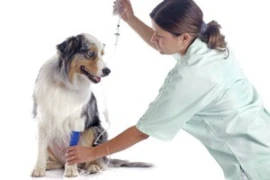
While triage is often associated with emergencies, in the veterinary industry the process can be utilized in many different scenarios. This webinar will cover how easy it is to mold the triage process in everyday veterinary scenarios and how to be the best PI (patient investigator that is!) Knowing what questions to ask and what to look for, not just noticing the obvious or following the textbook, will enable you to determine the answers in the specific scenario whether that is in relation to patient treatment or the order of the schedule for the day!

Language: English

In case you have missed this webinar, you have the opportunity to watch a recorded version here

Speaker:

KB_portrait_pic.jpg

Kirsten Bailey

Kirsten Bailey BVSc (Hons), MANZCVS (Equine Medicine), PhD

Kirsten graduated from The University of Queensland in 2000 with first-class honours in veterinary science. After graduation, Kirsten worked in mixed veterinary practice in Victoria and the United Kingdom before completing an equine internship at The University of Melbourne. Following her internship, Kirsten worked in equine practice in Victoria and became a member of the Australian and New Zealand College of Veterinary Scientists in equine medicine. After 10 years in practice, Kirsten undertook a PhD at the Faculty of Veterinary and Agricultural Science at The University of Melbourne investigating infectious causes of diarrhoea in Australian foals. In 2015, Kirsten worked as a lecturer in Production Animal Health at The University of Melbourne. Kirsten has been a research fellow in antimicrobial stewardship since 2015, investigating patterns of veterinary usage of antibiotics and exploring strategies to improve antimicrobial stewardship in veterinary practice.

Booking information

Duration: 0:54 h
Speaker: Kirsten Bailey
from 1
54.90 US$
(incl. tax)

You might also be interested in

300x200 logo.png
Stefanie Mitze
1:05 h

A 1 to 1 with the respiratory tract: understanding cough and dyspnea and its differentials and more!

In this webinar by Stefanie Mitze we will explore how clinical respiratory symptoms should be understood, what clues we get about the location of a problem and their meaning and differentials.
preventative-healthcare-of-the-older-cat-for-nurses-1.jpeg
Sarah Caney
0:49 h

Preventative healthcare of the older cat (for Nurses)

Now that older cats are forming an increasing proportion of our caseload, it's more important than ever to provide 'gold standard' care. There are many common health conditions affecting older cats and preventative healthcare is vital to ensure prompt diagnosis and management of these. Subclinical illness is common but simple tests including detailed history and physical exam, weight assessment, free catch urinalysis, blood pressure assessment and blood tests can optimise early diagnosis. Care of the older cat can be a rewarding experience for cats, owners and veterinary professionals.
-why-do-we-vaccinate-when-should-we-vaccinate-for-nurses-1.jpeg
Aaron Herndon
0:55 h

“Why Do We Vaccinate? When Should we Vaccinate?” (for Nurses)

In this webinar we will discuss some of the underlying principles of why we vaccinate that underpin our preventative healthcare strategy for most of our patients. How do we select the most appropriate vaccine protocol for a particular patient? How frequently should we booster vaccine? Should we titre test? How do we fit modified vaccination protocols into a preventative medicine strategy if client perceptions of preventative medicine programs are limited to, “I’m just here for the needles.” There is no one-size-fits-most answer to any of these questions, but by the end of the webinar, we hope you feel equipped to answer client and colleague questions about why we do what we do.