Webinars & e-learning courses Advanced All webinars

Tube Management for ECC Nurses

Tube Management for ECC Nurses

In this lecture, we will learn about the care, maintenance, and special considerations for multiple tubes in our critical patients. Included in this is urinary catheters, tracheostomy tubes, nasogastric/nasoesphogeal tubes, feeding tubes, and drain tubes.

The Australian Veterinary Nurse and Technician (AVNAT) Regulatory Council has allocated (1) AVNAT CPD point to this continuing education activity. 

Recorded 28 August 2024

Speaker:
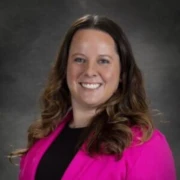
Tami.jpeg

Tami Lind

BS, RVT, VTS(ECC)

Tami Lind is currently working in the Emergency and Critical Care Unit at Purdue University and has been working at the university for the last 13 years. She attended veterinary technology school at Purdue and graduated in 2010 with a bachelor’s degree in veterinary technology. Two years later Tami assumed the ICU and ER supervisor role at Purdue University. She received her VTS in Emergency/Critical Care in 2016. Her passion is teaching veterinary nurses and veterinary students in preparing them for their career ahead. 
Booking information

Duration: 0:53 h
Speaker: Tami Lind
from 1
57.60 US$
(inkl. tax)

You might also be interested in

03.03.26 Image 300x200 (1).jpg
Emma Holder
0:49 h

Running on empty - Nursing care for the anaemic patient

In this session Emma Holder will focus on the comprehensive management of anaemic patients, including early detection, appropriate nursing care, and pharmacological treatment strategies


3476 300x200 (1).png
01.12.2026 (UTC)
09:00 - 10:00 (UTC)

Filter This - The Renal System Decoded for Vet Nurses

A clear, practical understanding of kidney anatomy and physiology revealing how these vital organs filter, balance, and protect the body which are essential for everyday patient care with Melissa Shoard.
300x200 logo.png
Stefanie Mitze
1:05 h

A 1 to 1 with the respiratory tract: understanding cough and dyspnea and its differentials and more!

In this webinar by Stefanie Mitze we will explore how clinical respiratory symptoms should be understood, what clues we get about the location of a problem and their meaning and differentials.