Webinars & e-learning courses All webinars

Wound Management for Nurses

Wound Management for Nurses

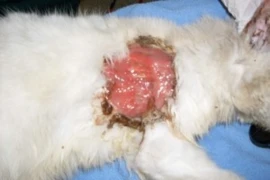
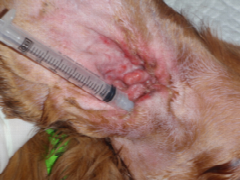
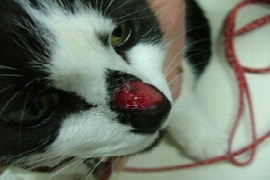
There are many reasons why patients may present with multiple wounds which will require assessment and stabilisation. Wound care forms an essential part of patient management, the veterinary nurse is often directly involved and plays an integral part in the assessment, treatment and monitoring of the patient with wounds. This webinar will review the types of wounds and how they are classified, the physiology of wound healing and participants will ultimately feel confident in the choice of treatments available through discussion of principles of wound care such as lavage, debridement and dressings.

The Australian Veterinary Nurse and Technician (AVNAT) Regulatory Council has allocated (1) AVNAT CPD point to this continuing education activity. 

Recording from 13 October 2022

Speaker:
82ne2i2fn2fkip3kov538jkvb3wau900.jpg

Chloe Fay

BSc(Hons), RVN, CertVN, ECC, VTS (ECC)

Chloe qualified as a veterinary nurse in 2012, gained her Vets Now ECC certificate in 2016, and her VTS (ECC) in 2018. She has a strong background in ECC and referral nursing. She is currently the head of the Priory Emergency Treatment Service (OOH) in Brighton (UK), who also provide cardio-respiratory and internal medicine referral services.
Chloe is also on the review board for the RCVS ‘inFOCUS’ veterinary journal and is involved in peer reviewing material for the Australian College of Veterinary Nursing’s ECC certificate. She is highly experienced and passionate about all aspects of emergency and critical care nursing, but her specific interests include critical care patients including renal and septic patients, and cardio-respiratory patients.
Booking information

Duration: 0:55 h
Speaker: Chloe Fay
from 1
54.90 US$
(inkl. tax)

You might also be interested in

what-s-new-in-allergic-dermatitis-and-how-does-it-impact-clinical-practice.jpeg
Andrew Hillier
0:54 h

What's new in allergic dermatitis and how does it impact clinical practice

Our understanding of allergic dermatitis in dogs has changed dramatically in the last 10 years. This presentation will highlight new information that changes the way we practice and will include insights on new definitions and clinical syndromes, pathophysiology of atopic dermatitis, a streamlined diagnostic approach and diagnostic criteria, new innovative treatments, and guidance for conducting food trials, amongst others.
dermatology-diagnostics-1.png
Dr John H C Hutt
0:45 h

Dermatology Diagnostics

Dermatology Diagnostics for Veterinary Nurses and Technicians Do you ever wonder why vets do what they do when dealing with skin cases? Does it sometimes feel like we’re just stabbing in the dark hoping for an answer? Do you find that clients get frustrated with lack of progress? Do they bring their frustrations to you, but you don’t always know what to say? You are not alone! Dermatology and ear cases are the most common health problems presented to small animal practices, and they are frequently cited as the most common reasons that clients change veterinary practices. Dermatology cases can appear to be frustrating and complex, but in fact there are some very logical processes that need to be followed. In this webinar we’ll cover the steps that need to be taken to establish a diagnosis for the most common dermatology presentations. If you understand these steps, then you are equipped to effectively communicate these processes to your clients. We’ll also cover some of the specific diagnostic tests undertaken in the pursuit of a diagnosis in veterinary dermatology, and how nurses and technicians can play a pivotal role in this process.
Atopic-Patient-Race.jpg
Michelle LeRoy
0:51 h

Treating the modern atopic veterinary patient

The evolution of veterinary dermatology and available pharmaceutical options for treatment of atopic dermatitis has changed significantly in the recent past. This lecture will review a wide array of treatment options both old and new for atopic dogs and cats including immunotherapy, antihistamines, fatty acids, steroids, Oclacitinib (Apoquel®), Cyclosporine (Atopica®), and lokivetmab (Cytopoint®). We will discuss how these therapies benefit the atopic patient and when each treatment is appropriate. Learn what side effects to beware of, how to better educate your clients, and when referral to a dermatologist is helpful.