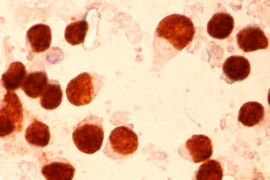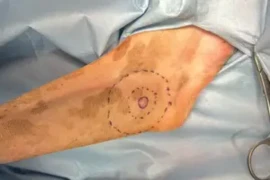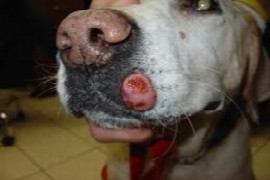
Canine mast cell tumours are common in general practice. The diagnosis is usually straightforward by means of fine needle aspiration; however, management can be challenging due to the variable behaviour ranging from locally infiltrating lesions to aggressive mast cell tumours metastasising to the liver and spleen. As a consequence, outcomes range from weeks to years. The aim of the webinar is to focus on the use of prognostic factors to predict the behaviour of mast cell tumours and to guide management of each individual case. Once the extent of disease and likely prognosis has been established, a plethora of treatment options need to be considered including surgery, radiation therapy, chemotherapy, targeted therapy, palliative supportive care as sole or multi-modal therapy. Dogs with a good prognosis should be offered treatment options aimed at long term control, whereas the focus for dogs with a poor prognosis might need to be palliative. The second part of the webinar is focused on highlighting when to consider which treatment options.
Recording from 04.03.2020
Speaker:

Evi Pecceu
Dipl ECVIM-CA (Oncology)