Recent studies reveal that a significant portion of clients express concerns over potential adverse effects of conventional medications and treatments. Research underscores the critical role of inflammation in determining patient outcomes, advocating for its prioritization in both treatment and extended care plans. By understanding the impacts of inflammation and exploring nutritional strategies to address it, veterinary professionals can achieve more reliable, consistent results, and optimize outcomes for both acute and chronic cases.
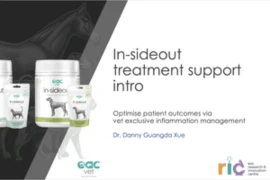
This webinar introduces In-sideout Treatment Support, a breakthrough in inflammation management that elevates patient care beyond conventional solutions. We’ll delve into EAC’s advanced inflammation management structure, supported by clinical results, demonstrating how In-sideout empowers practitioners to enhance patient recovery and provide comprehensive, extended care with confidence.
This program has been approved for 1 hour of continuing education credit in jurisdictions that recognize RACE approval.
The accreditation of CE Points is approved under the condition of a positive completion of the test in the specified period and is valid until 18 February 2027.
Recording from 3 December 2024
Speaker:
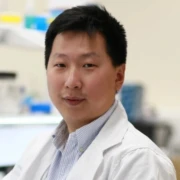
Danny Xue
Bsc, MRes, PhD
Dr. Danny Xue holds a Ph.D. in Animal nutrition and pathology from the University of New England, where they conducted groundbreaking research in the animal health and nutrition industry. With a research focus on the intricate interplay of gut health, microbiology, inflammation, physiology, and nutrition, his work has significantly contributed to our understanding of these critical areas.
Drawing inspiration from his research experience in human pharmaceutical development at the University of Queensland, Dr. Danny has made significant strides in highlighting the pivotal role of inflammation in stress management, disease prevention, and overall health improvement.
With over a decade of expertise in the animal nutrition and health industry, Dr. Danny has collaborated with global partners to drive advancements in business development, research and development, and training initiatives.
Currently, as the Head of the Innovation & Research Centre at EAC Animal Care, Dr. Danny continues to lead cutting-edge research and innovation efforts to further define the application of inflammation management in prevention and treatment plan in both companion and agricultural animals.