Webinars & e-learning courses All webinars

Dental Radiology – A Core Skill for Practice. The How and the Why

Dental Radiology – A Core Skill for Practice. The How and the Why

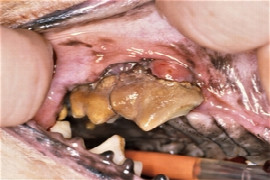
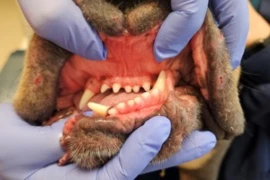
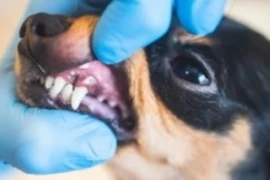
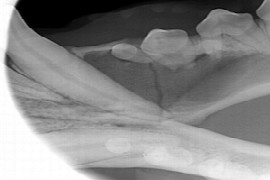
Dental radiology is a core skill in SA veterinary practice. The visible part of the tooth (crown) is only around 30% of the total length. The root, comprising 70% of the total, is invisible to a gross examination. Most of the common dental conditions in practice, specifically periodontal or endodontic disease, require diagnostic radiographs to diagnose, prognose and establish a treatment plan. Periodontal disease is one of tooth attachment loss whereas endodontic disease is one of toxin leakage through the root apex. In addition, Feline Tooth Resorption lesions (Feline TR) require radiographs to differentiate those teeth that need conventional extraction from those that need crown amputation. Missing teeth are common and need to proven to be so radiographically. A tooth is not missing until the radiographs says so. Teeth not visible can be impacted or embedded in the jaw. In most cases these are painful and need surgical attention. This webinar is designed to show participants how and why dental radiographs are so important to the veterinarian performing routine dentistry in a practice setting. What lies beneath? You will soon find out!

Recording from 16.08.2017

Speaker:

Norman_Johnston_130x130.jpg

Norman Johnston

FRCVS, RCVS

Norman Johnston is a graduate of the Royal (Dick) School of Veterinary Studies, University of Edinburgh. He is clinical director of DentalVets - a referral only dental and oral surgical practice near Edinburgh in Scotland. Before embarking on a specialist career, he spent 21 years in general practice in Edinburgh.  His qualifications are unique as he is a current diplomate of both the American and European Veterinary Dental Colleges, a fellow of the Academy of Veterinary Dentistry and has been a registered RCVS Specialist in Veterinary Dentistry since 2002. He is a past president of both the European Veterinary Dental College, the British Veterinary Dental Association and a past board member of many veterinary dental organisations world-wide.  He is also a past chairman and director of VET Trust, an educational veterinary charity based in Scotland. In 1997 he received the Simon Award from the British Small Animal Veterinary Association for outstanding contributions in the field of veterinary surgery and was made a Fellow of the Royal College of Veterinary Surgeons in 2016 for meritorious contributions to clinical practice.

Booking information

Duration: 0:42 h
Speaker: Norman Johnston
from 1
54.90 US$
(inkl. tax)

You might also be interested in

E_26_04_23_Oral Neoplasia- 3 Key Questions for Accurate Prognosis and Effective Treatment_300x200.png
Ana Nemec
1:00 h

Oral Neoplasia: 3 Key Questions for Accurate Prognosis and Effective Treatment

Before any treatment is attempted, a patient with an oral tumor needs to be properly staged – we need to know, what the tumor is, how extensive it is and if malignant, if there is any metastatic disease. A webinar with Ana Nemec.
antimicrobial-therapy-for-dental-diseases-1.jpeg
Colin Harvey
0:53 h

Antimicrobial therapy for dental diseases

The mouth is grossly contaminated, and dental procedures are one of the most common indications for invasive procedures (dental scaling or oral surgery such as extraction of teeth). Just on this basis, it would seem appropriate to treat dental procedure patient with an antibiotic. In fact, an antibiotic is not indicated in most dental patients, because the procedure removes the area of infection, and oral tissues heal very rapidly. There are indications for use of an antibiotic, based on the severity of the oral disease undergoing treatment, the type of procedure, and presence of coexisting systemic abnormalities such as cardiac or renal disease. This webinar will describe how to decide which patients need or do not need an antibiotic at the time of the dental procedure. For patients in which administration of an antibiotic is indicated, other decisions needing to be made include which antibiotic to use, timing of the start of the antibiotic treatment and duration of the antibiotic treatment.
dental-extractions-3.jpeg
Nadine Fiani
1:05 h

Dental Extractions

Dentistry composes a large part of daily small animal practice. Performing extractions is an important part of this. In this talk we will cover: Indications for tooth extraction, with some mention of possible alternatives Patient preparation, including positioning, analgesia and antibiotic use Armamentum and brief discussion of extraction technique Possible complications and how to avoid them.