Webinars & e-learning courses Intermediate All webinars

Think Once, Think Twice, Think Referral

Think Once, Think Twice, Think Referral

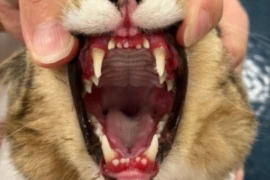
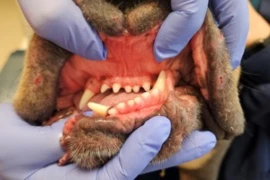
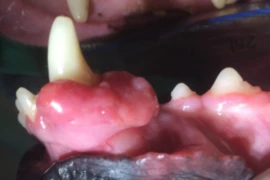
Topics such as gingivostomatitis, juvenile periodontitis, dentigerous cysts, malocclusions, fractured teeth, and canine chronic ulcerative stomatitis will be discussed.

Learning Objective #1- Recognize what constitutes a normal occlusion and the different classifications of malocclusions.

Learning Objective #2- Describe the differences between juvenile periodontitis and feline chronic gingivostomatitis.

Learning Objective #3- Identify the pathology that can develop if clinically missing teeth are found to be unerupted.

Recorded 15 January 2026

Speaker:

Brenda.jpg

DVM, Diplomate AVDC

Brenda graduated with her Doctor of Veterinary Medicine from Iowa State University. She entered private practice for a few years before returning to teach at Iowa State University College of Veterinary Medicine. 

Dr. Mulherin completed a Dentistry and Oral Surgery Residency with the University of Wisconsin-Madison in 2014. She became a Diplomate of the American Veterinary Dental College in 2015. 

Dr. Mulherin is a Full Clinical Professor at Iowa State University and is charged with small animal dentistry education for veterinary students. Recently, Dr. Mulherin was the editor of a veterinary dental radiology textbook entitled Veterinary Oral Diagnostic Imaging. This book is a compilation of imaging techniques and interpretation for companion animals, including canine, feline and equine species. It also includes information on zoo and exotic animals.

Dr. Mulherin enjoys lecturing and educating general practitioners as well as veterinary students in the art of veterinary dentistry.
Booking information

Duration: 0:58 h
Speaker: DVM, Diplomate AVDC
from 1
54.90 US$
(inkl. tax)

You might also be interested in

periodontal-disease-and-dental-grading-for-veterinary-nurses-1.jpeg
Camil Stoian
0:44 h

Periodontal disease and dental grading (for veterinary nurses)

'Periodontal' comes from two Greek words that mean 'around the tooth.' Periodontal disease is associated with the inflammation and loss of the deep supporting structures of teeth. A number of criteria are used to assess the oral health of a dog and assign a grade. These include the amount and distribution of plaque and calculus, health of the gingiva (gums), radiologic appearance, and the depth of pockets.
antimicrobial-therapy-for-dental-diseases-1.jpeg
Colin Harvey
0:53 h

Antimicrobial therapy for dental diseases

The mouth is grossly contaminated, and dental procedures are one of the most common indications for invasive procedures (dental scaling or oral surgery such as extraction of teeth). Just on this basis, it would seem appropriate to treat dental procedure patient with an antibiotic. In fact, an antibiotic is not indicated in most dental patients, because the procedure removes the area of infection, and oral tissues heal very rapidly. There are indications for use of an antibiotic, based on the severity of the oral disease undergoing treatment, the type of procedure, and presence of coexisting systemic abnormalities such as cardiac or renal disease. This webinar will describe how to decide which patients need or do not need an antibiotic at the time of the dental procedure. For patients in which administration of an antibiotic is indicated, other decisions needing to be made include which antibiotic to use, timing of the start of the antibiotic treatment and duration of the antibiotic treatment.
E_26_01_08_I’ll Take Common Conditions for the win!_300x200.png
DVM, Diplomate AVDC
1:00 h

I’ll Take Common Conditions for the win!

This lecture will describe common conditions found within the oral cavity of dogs and cats. Brenda Mulherin will give a brief overview of periodontal disease, tooth trauma and tooth resorption in both dogs and cats.