Dermatology Diagnostics for Veterinary Nurses and Technicians
Do you ever wonder why vets do what they do when dealing with skin cases? Does it sometimes feel like we’re just stabbing in the dark hoping for an answer? Do you find that clients get frustrated with lack of progress? Do they bring their frustrations to you, but you don’t always know what to say? You are not alone!
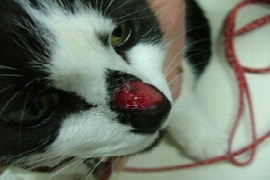
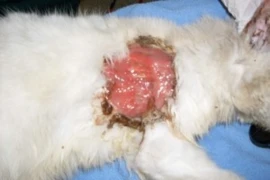
Dermatology and ear cases are the most common health problems presented to small animal practices, and they are frequently cited as the most common reasons that clients change veterinary practices. Dermatology cases can appear to be frustrating and complex, but in fact there are some very logical processes that need to be followed.
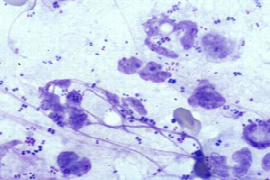
In this webinar we’ll cover the steps that need to be taken to establish a diagnosis for the most common dermatology presentations. If you understand these steps, then you are equipped to effectively communicate these processes to your clients. We’ll also cover some of the specific diagnostic tests undertaken in the pursuit of a diagnosis in veterinary dermatology, and how nurses and technicians can play a pivotal role in this process.
Recording from 12.02.2019
Speaker:

Dr John H C Hutt
BVSc(Hons), CertVD, MANZCVS, DipACVD
John graduated from the University of Queensland in 1988. He worked in general practice in Brisbane for 18 months before travelling to the UK in 1990, where he worked in small animal practice for the next 11 years. He was a clinical assistant in dermatology at the Animal Health Trust from 1998 to 2001. In 2001 John set up North Kent Referrals, a multi-disciplinary referral practice in the south of England, and he owned and ran the practice until its sale in 2012.
John is a registered specialist in Veterinary Dermatology. He holds the RCVS Certificate in Veterinary Dermatology, is a member of the Australian College of Veterinary Scientists (MANZCVS) by examination in small animal medicine, and is a diplomate of the American College of Veterinary Dermatology. John is a past President of the British Veterinary Dermatology Study Group.
Following his return to Brisbane in 2013, John joined the team at Dermatology for Animals. His clinical interests include the management of allergic skin disease in dogs, immune mediated skin disorders, and all aspects of feline and equine dermatology. John has regularly presented on the subject of veterinary dermatology to veterinary surgeons and nurses in Europe, Asia and Australia.