Webinars & e-learning courses All webinars

How to Approach Avian Emergencies

How to Approach Avian Emergencies

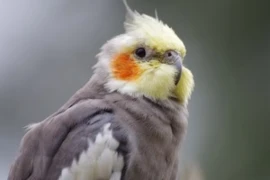
This webinar aims to provide veterinarians with the information to triage, manage and treat parrots that present as emergencies. Parrots commonly present as emergencies due to their preservation reflex, which, like many prey species, means they hide signs of illness until they are critically unwell. These parrots often present with dyspnea, severe lethargy, dehydration and anorexia and it can be confronting for owners to realise just how unwell their pets are. Managing the expectations of these owners and their critically ill pets is what this webinar will aim to cover.

Recording from 20 April 2023

Speaker:
Kelly.jpg

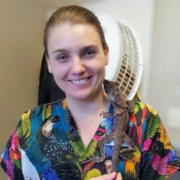
Kelly Giles

BSc, BVMS, MANZCVS (Avian Medicine & Surgery)

Dr Kelly graduated from Murdoch University in 2016 and has worked exclusively in exotic veterinary medicine since. She received her membership qualification in Avian Medicine and Surgery in 2022. She currently works at The Unusual Pet Vets and has a special interest in avian and aquatic medicine. In her spare time, Dr Kelly lectures at Murdoch University and works with the Aquarium of Western Australia (AWQA). She is owned by a menagerie of animals, including two pet turtles, a range of tropical fish and three guinea pigs.

Booking information

Duration: 0:39 h
Speaker: Kelly Giles
from 1
57.60 US$
(inkl. tax)
You might also be interested in

E_26_09_17_Understanding exotic species blood sampling, parameters and complications_300x200.png
Hayley Ayers
0:55 h

Understanding exotic species blood sampling, parameters and complications

Understanding exotic species blood sampling, parameters and complications
How much blood and where from? RVN's guide to sampling and analysing blood samples from exotic species presented by Hayley Ayers. 
E_26_12_02_What a pain! Analgesia in exotic pets_300x200.png
02.12.2026 (UTC)
19:00 - 20:00 (UTC)

What a pain! Analgesia in exotic pets

This session explores the unique challenges of nursing hospitalised exotic pets, providing veterinary professionals with practical strategies to recognise behavioural indicators of pain and stress.
EN_27_01_13_EN_27_01_13_Reading thoracic radiographs of the dog and cat_300x200.png
13.01.2027 (UTC)
19:00 - 20:00 (UTC)

Reading thoracic radiographs of the dog and cat: how to go about?

In this webinar, Pete Mantis provides a practical, structured approach to interpreting canine and feline thoracic radiographs with greater confidence. Learn a systematic reading technique, review normal thoracic anatomy, and gain practical rules of thumb to identify abnormalities and avoid missing important findings.