Webinars & e-learning courses All webinars

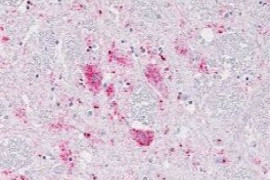
Immunohistochemistry: when to use it and why

Immunohistochemistry: when to use it and why

Immunohistochemistry is an integral technique in many veterinary laboratories for diagnostic and research purposes. In the last decade, the ability to detect antigens (Ags) in tissue sections has improved dramatically. The variable behaviour of mast cell tumours and melanomas in dogs makes it difficult for many veterinary practitioners to offer their clients an accurate prognosis and the best treatment. Knowing when Immunohistochemistry should be used and why Pathologists request it will be outlined in detail by Lorna.

Language: English

In case you have missed this webinar, you have the opportunity to watch a recorded version here.

This webinar qualifies for one (1) hour of continuing education.

Speaker:

Lorna_Rasmussen_133x200.jpg
Lorna_Rasmussen_133x133.jpg

Lorna Rasmussen

DVM, Specialist veterinary pathologists

Lorna is an enthusiastic pathologist, whose experience ranges from teaching anatomical and clinical pathology at an undergraduate and postgraduate level to over 20 years of pathology service rendering (anatomical and clinical) to small and large animal practitioners, zoological collections, and laboratory animal and fish technicians and researchers. Lorna is also a technical NATA assessor.
Lorna has kept her skill and knowledge base current by regular attendance of continuing educational courses, reading journals and interaction with colleagues.
Booking information

Duration: 0:43 h
Speaker: Lorna Rasmussen
from 1
57.60 US$
(inkl. tax)

You might also be interested in

EN_27_01_13_EN_27_01_13_Reading thoracic radiographs of the dog and cat_300x200.png
13.01.2027 (UTC)
19:00 - 20:00 (UTC)

Reading thoracic radiographs of the dog and cat: how to go about?

In this webinar, Pete Mantis provides a practical, structured approach to interpreting canine and feline thoracic radiographs with greater confidence. Learn a systematic reading technique, review normal thoracic anatomy, and gain practical rules of thumb to identify abnormalities and avoid missing important findings.
E_26_09_22_The Diarrhoea Roadmap in adult horses- Clinical Investigation and treatment_300x200.png
Sarah Smith
1:10 h

The Diarrhoea Roadmap in adult horses: Clinical Investigation and treatment

Update on the diagnostic investigation and treatment options for horses with diarrhoea by Sarah Smith. 
nail clipped 300x200 (1).png
Isabelle Resch
0:43 h

Beyond Restraint - Building Cooperation During Grooming

Grooming with willing participation rather than restraint, a webinar with Isabelle Resch.